Why Cary Water Changes How Your Carpet Should Be Cleaned
Carpet Cleaning Apex • September 11, 2026 • 7 min read
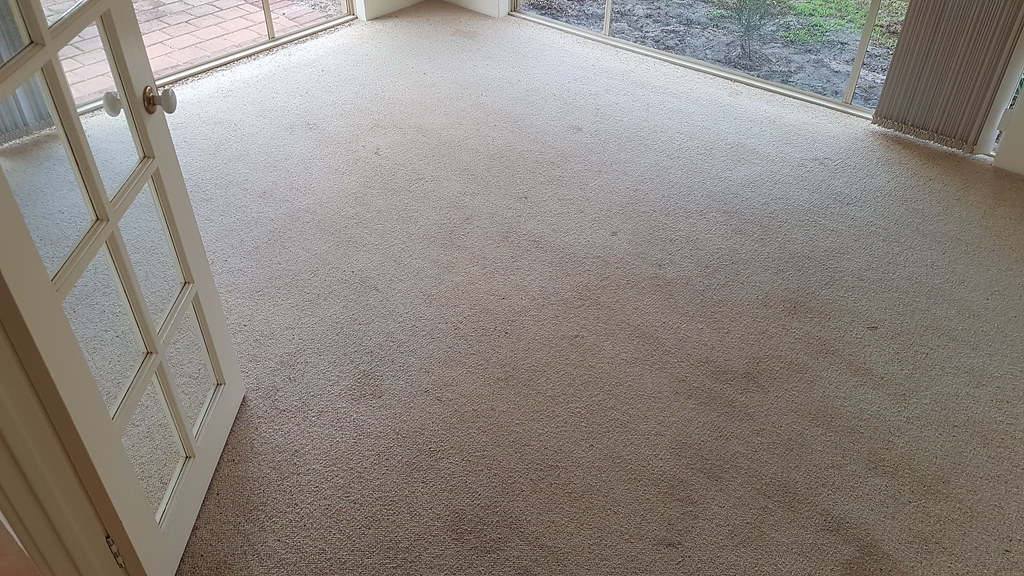
Here is a common complaint after a carpet cleaning: the carpet looked great for two weeks and then went dingy again, faster than it did before it was cleaned.
That is a real phenomenon, it has a name, and it is worth knowing what Cary’s water does and does not contribute to it. The fix is entirely about technique rather than about buying anything.
What Cary Water Actually Is
Cary’s drinking water comes from Jordan Lake, treated at the Cary/Apex Water Treatment Facility, which the town shares with Apex. Two characteristics of that supply matter for carpet cleaning.
It is soft. The Town of Cary puts its finished water hardness at 25 to 30 ppm, which it describes as very soft, and it does not recommend water softeners for its customers. That is under 2 grains per gallon, so hardness is a small factor in Cary homes on town water.
It is disinfected with chloramine for most of the year, not free chlorine. The Town describes chloramines as a combination of chlorine and ammonia, and its water data lists chloramines from mid-April to February, with a switch to free chlorine each March to mid-April while the system is flushed.
Neither of these makes the water bad. Cary’s water is well managed and meets standards. But both interact with carpet cleaning chemistry in ways that show up on your floor.
The Re-Soiling Problem, Explained
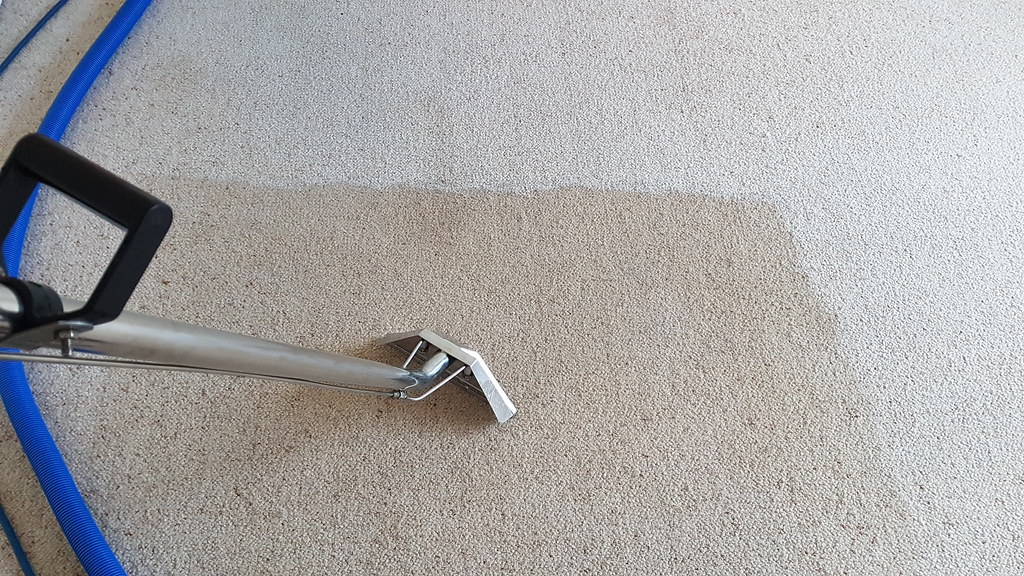
Carpet cleaning works by applying an alkaline pre-spray that breaks the bond between soil and fiber, then extracting it with hot water. That is the whole mechanism.
The problem is what happens if the alkaline detergent is not fully rinsed out. Residue left in the pile is sticky, and sticky attracts soil. A carpet with detergent residue does not just get dirty again at the normal rate; it gets dirty faster than it did before, because the fiber now has an adhesive layer on it. That is re-soiling, and it is the single most common reason people conclude professional cleaning “did not work” or “made it worse.”
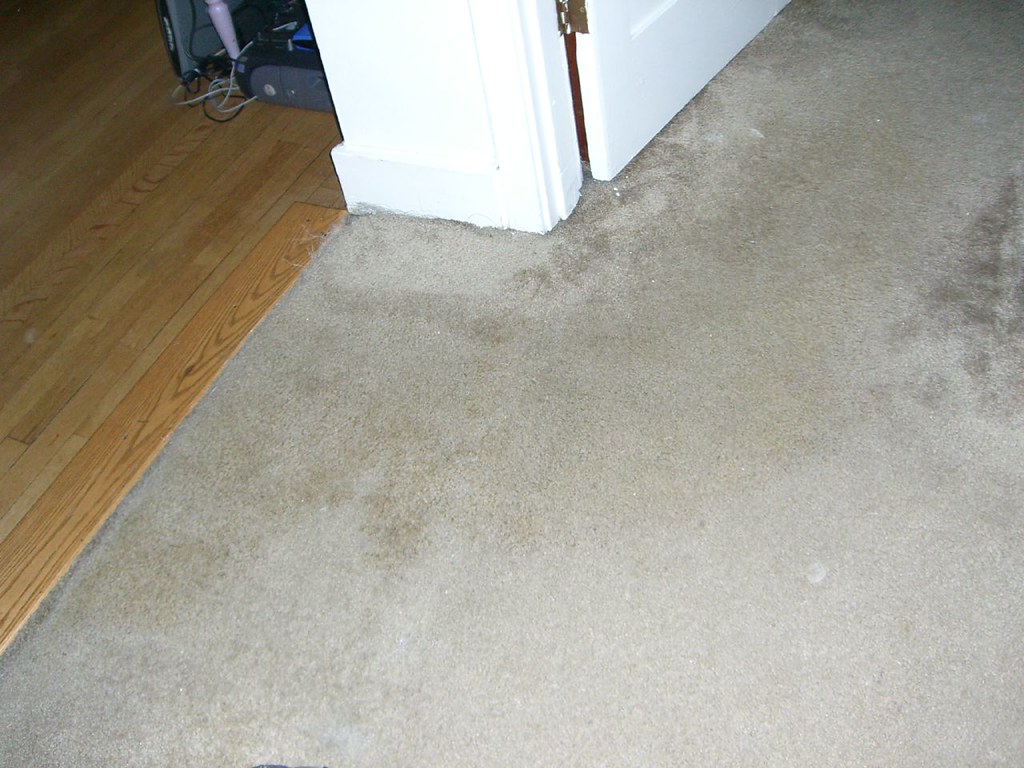
Hardness minerals make this harder to avoid. Calcium and magnesium in the rinse water react with detergent residue, and the resulting compounds are less soluble and more stubborn than the detergent alone. In genuinely hard water areas this is dramatic. Cary’s town water is soft, so here the residue problem comes down mostly to how much detergent goes down and how well it is rinsed out. Residue shows up as whole traffic lanes going gray; a single spot returning in the same shape is usually wicking, not residue, which why carpet stains come back after cleaning explains.
What a Cleaner Should Do About It
The answer is thorough rinsing, and an acidic rinse can be used where residue is present. It is not exotic. After the cleaning pass, a mildly acidic rinse agent neutralises the alkaline pre-spray, leaves the fiber at a pH close to neutral, and gives the extraction something to carry away rather than leaving residue behind.
Three things follow from this, and they are the practical takeaways:
- Ask how the cleaner deals with residue. An acidic rinse can be used where residue is present. A cleaner who does not know what you mean is a cleaner who may be leaving residue in your carpet.
- Be wary of “no rinse” and very low-moisture methods on residential carpet. They have legitimate uses, particularly in commercial settings needing fast turnaround, but they work by leaving a polymer in the fiber rather than removing soil. On a Cary home that re-soils quickly, that is the wrong direction. The dry carpet cleaning vs steam cleaning comparison covers where each method fits.
- Treat rapid re-soiling as a diagnostic. If your carpet went dingy within a month of a professional clean, the most likely explanation is not that your house is dirty. It is residue.
There is also a reason to prefer truck-mounted equipment here beyond raw power: heat and extraction volume both help carry residue out. Our professional versus rental comparison covers why rental machines struggle with exactly this.
Chloramine and Wool
The chloramine point matters most for wool and silk-blend area rugs, which many Cary and Morrisville homes have.
Chloramine is more persistent than free chlorine, and prolonged contact can affect natural protein fibers, contributing to dye instability and gradual fiber damage. It is not a dramatic, visible-on-the-day effect; it is a longevity issue.
For valuable natural-fiber rugs it is a reason to prefer controlled washing with appropriate chemistry and proper drying over a quick in-place pass with tap water. It is also one of several reasons some rugs genuinely belong at a wash plant rather than on your floor. Our area rug cleaning cost guide covers when that is worth it.
The Other Cary Factor: Tree Canopy
Water chemistry is the invisible half. The visible half is that Cary has a genuinely heavy tree canopy by suburban standards, protected by a town that has been deliberate about it for decades.
The trade-off is pollen. Spring pine and oak pollen in west Wake is heavy, it gets tracked in, and it settles into carpet where it becomes both a soil load and an allergen reservoir. Combined with Piedmont red clay on shoes, the entry lanes and stairs take most of the abuse in a Cary home.
Practical consequence: clean after pollen season, not during it. Washing in early April means the carpet meets the heaviest load of the year a week later. Mid-May onward is when a clean holds. Our pollen and carpet guide covers the timing, and red clay stain removal covers the other half.
Frequently Asked Questions
Why does my carpet get dirty faster after professional cleaning?
Almost always detergent residue. Alkaline pre-spray that is not fully rinsed leaves a sticky film that attracts soil faster than clean fiber does. Thorough rinsing prevents it, and an acidic rinse can be used where residue is present.
Does hard water affect carpet cleaning?
Yes, in hard water areas. Hardness minerals react with detergent residue to form compounds that are harder to rinse out, which contributes to residue and re-soiling. Cary’s town water is very soft (25 to 30 ppm, according to the Town of Cary), so in Cary rinse technique matters far more than hardness.
What is an acid rinse and do I need one?
A mildly acidic rinse applied after cleaning, to neutralise the alkaline pre-spray and leave the fiber near neutral pH. It can be used where residue is present, for example on carpet that re-soiled quickly after a previous clean. Ask how residue is handled before booking.
Is Cary tap water bad for my carpet?
No. It is well-treated water that meets standards. The point is not that it is harmful, it is that its chloramine content interacts with cleaning chemistry and natural fibers, so the rinse technique still matters.
Should I use a water softener for carpet cleaning?
No. The Town of Cary describes its water as very soft and does not recommend water softeners for its customers. Truck-mounted systems manage rinse chemistry directly, which is what matters for carpet.
When is the best time to clean carpet in Cary?
Mid-May onward, after pine and oak pollen has finished. Cleaning in early April means the carpet meets peak pollen days later. Autumn is also good. The exceptions are a house going on the market or a severe allergy sufferer wanting the load reduced.
Carpet Cleaning in Cary
We clean with truck-mounted hot water extraction, and an acidic rinse can be used where residue is present.
See carpet cleaning, our Cary service page, or carpet cleaning pricing. If you are cleaning for a move-out, our guide to NC security deposit rules on carpet cleaning is worth reading first.
Call (919) 322-8083 or request a free quote.
Sources (Town of Cary): Water Treatment (Jordan Lake source) · Public Works FAQ, Cary Water Chemical Properties (hardness 25 to 30 ppm) · What’s on Tap (chloramine season) · Annual Water Disinfection Change (chloramines, chlorine and ammonia)