Can a NC Landlord Charge You for Carpet Cleaning? (2026)
Carpet Cleaning Apex • September 11, 2026 • 8 min read
This comes up constantly, on both sides. A tenant moves out, the deposit comes back short, and the itemised list says “carpet cleaning” with a round number next to it. Or a landlord is trying to work out what they can legitimately charge without ending up in small claims court.
North Carolina has a clearer answer than most states, and it surprises many people. This is a plain-English summary of how the rules work, not legal advice, and your lease and circumstances matter.
The Short Answer
Routine cleaning of ordinary soil is generally treated as normal wear and tear, which the statute bars landlords from deducting from a security deposit.
That is the default. Cleaning a carpet because a tenant lived on it for two years is a cost of doing business, in the same category as repainting between tenancies. The North Carolina Tenant Security Deposit Act limits what a deposit may be used for: G.S. 42-51 lists the permitted uses, which include damage to the premises, and G.S. 42-52 says the landlord “may not withhold as damages part of the security deposit for conditions that are due to normal wear and tear.” Neither section mentions carpet cleaning. Treating routine cleaning as wear is how the statute is generally read, not words the statute uses.
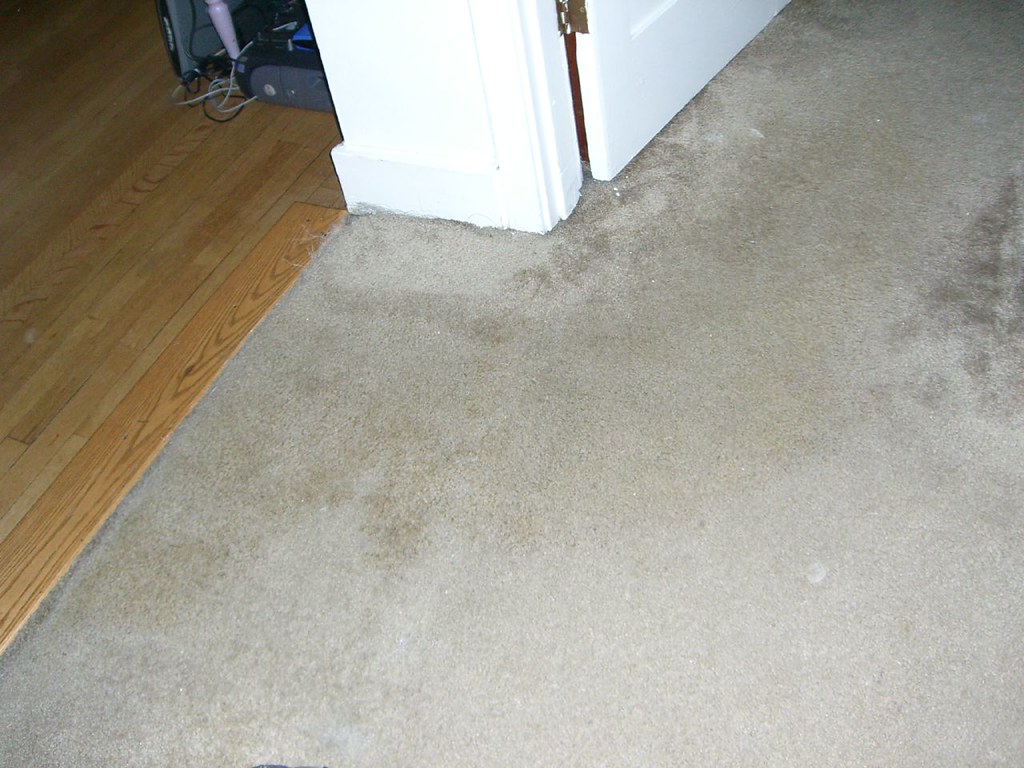
What can be charged is damage beyond normal wear and tear: stains, heavy soiling, pet urine contamination, burns, or a property left in a condition requiring extraordinary cleaning or restoration.
The line is between use and damage.
Where the Line Actually Sits
| Condition | Normal wear and tear (landlord’s cost) | Damage (chargeable) |
|---|---|---|
| Traffic lanes visibly worn | Yes | |
| Carpet flattened in high-use areas | Yes | |
| Mild overall soiling from living there | Yes | |
| General dinginess after 2+ years | Yes | |
| Small, faded marks | Yes | |
| Large set-in stains | Yes | |
| Pet urine soaked into the pad | Yes | |
| Burns, cuts, tears | Yes | |
| Heavy soiling well beyond ordinary use | Yes | |
| Odour requiring decontamination | Yes |
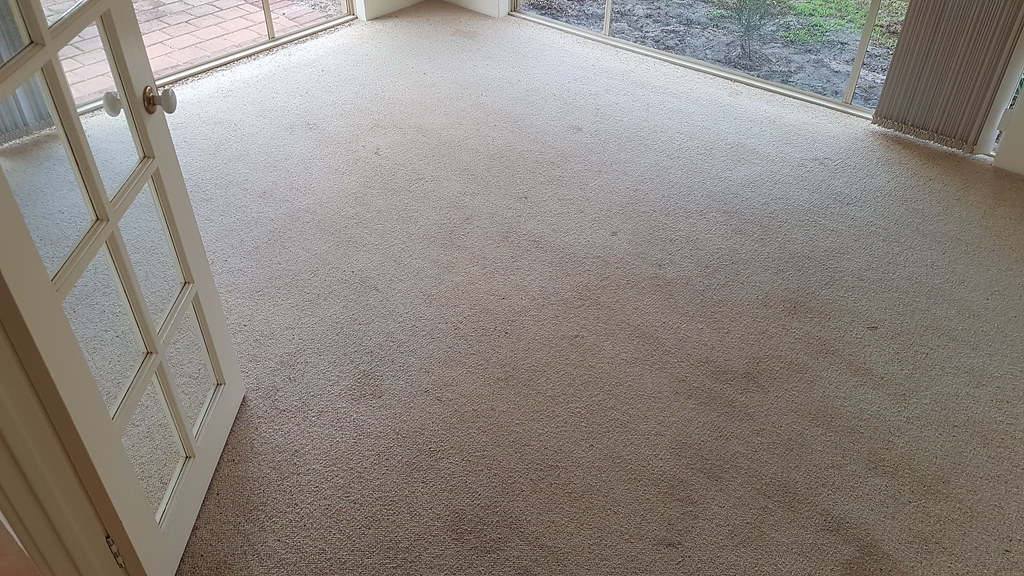
A carpet that simply looks like someone lived on it is wear. A carpet with a two-foot stain, a cigarette burn, or urine through to the subfloor is damage.
What the Landlord Has to Do
Two procedural requirements matter enormously in practice, and they are where most disputes are actually won or lost.
An itemised written statement. Under G.S. 42-52 the landlord must itemise any damage in writing and mail or deliver it to the tenant with the balance of the deposit. A single line reading “cleaning” with a round number is weak itemisation. A list naming the specific damage, the specific remedy, and the specific cost is far stronger.
A 30-day deadline, with an interim option. The itemised statement and the deposit balance are due no later than 30 days after the tenancy ends and the landlord gets possession back. If the landlord cannot determine the full claim within 30 days, G.S. 42-52 requires an interim accounting within those 30 days and a final accounting within 60 days.
Missing either of these substantially weakens a landlord’s position, regardless of whether the underlying charge was fair.
If You Are the Tenant
- Photograph everything at move-in and move-out, dated, including the carpet in every room. This single habit resolves more disputes than any argument.
- Get the move-in condition report in writing and keep your copy.
- Ask for the itemisation if the deposit comes back short without one.
- Read any lease clause requiring professional cleaning carefully. G.S. 42-51 and 42-52 do not mention cleaning clauses, so how one interacts with the deposit rules is a legal question worth real advice if the amount is significant.
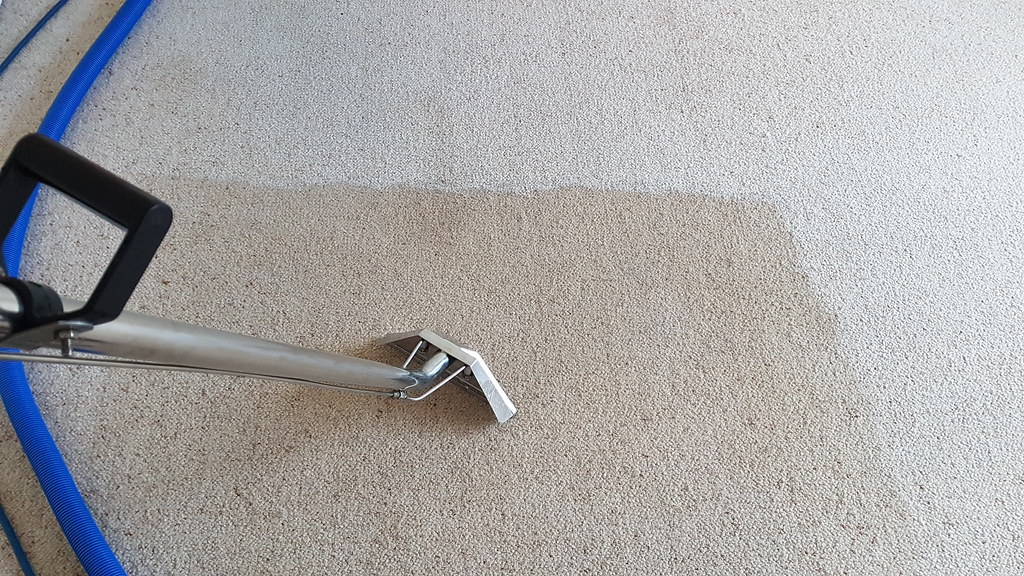
- Consider having the carpet professionally cleaned anyway if there is genuine staining. A clean that removes a stain (three rooms and a hallway runs $120 to $180) is far cheaper than a replacement charge, and you keep the receipt as evidence of condition.
If You Are the Landlord
- Do not deduct routine cleaning. It is the most commonly challenged charge and the least defensible.
- Document damage specifically, with photographs and dated condition reports at both ends of the tenancy.
- Itemise properly, naming the damage rather than the category.
- Meet the 30-day deadline, or send an interim accounting within 30 days and a final one within 60 if the claim cannot be settled in time.
- Get a professional invoice rather than estimating. An actual receipt for actual work on actual damage is far stronger than a round number.
- Account for carpet age. Residential carpet has a useful life of roughly 8 to 15 years. Charging a tenant the full replacement cost of a nine-year-old carpet is not generally defensible, because G.S. 42-52 limits the landlord to actual damages and an old carpet is worth a fraction of a new one.
That last point is easy for landlords to get wrong and easy for tenants to miss.
Turnover Cleaning in Practice
Whichever side you are on, the practical reality is that a professionally cleaned carpet at turnover benefits everyone. It gives the landlord a clean baseline and documentation, and it gives the tenant evidence of the condition they left.
In this area a standard turnover clean runs $120 to $180 for three rooms and a hallway and $200 to $350 for a whole house (5+ areas), with stairs at $2 to $4 per step. That matters because much of the rental stock around Cary and Morrisville is multi-storey townhomes, where stairs are usually in scope. Pet treatment, if there has been an accident, is priced separately because it is a genuinely different job: our pet urine odor removal cost guide covers why surface deodorising does not resolve contamination in the pad. Property managers running shared hallways or a leasing office can use how often office carpet should be cleaned to set a schedule for those common areas.
Full pricing is in our NC carpet cleaning cost guide and, locally, the Apex carpet cleaning cost guide, whose rates apply across west Wake. Our guide to move-out carpet cleaning costs in Cary covers what an inspection actually looks at, and when cleaning will not change the outcome.
Frequently Asked Questions
Can my landlord charge me for carpet cleaning in NC?
Generally not for routine cleaning tied to ordinary use, which North Carolina treats as normal wear and tear. They can charge for cleaning necessitated by damage: stains, pet urine, burns, or soiling well beyond ordinary living.
What if my lease says I must professionally clean the carpet?
The deposit statutes (G.S. 42-51 and 42-52) do not mention cleaning clauses, so this is a legal question rather than a settled rule. Many tenants comply anyway because it is simpler, and having it done is often cheaper than the charge that follows. If the sum is significant, this is worth actual legal advice rather than a blog post.
How long does a landlord have to return my deposit in North Carolina?
Thirty days. Under G.S. 42-52 the landlord must return the balance with a written itemisation of any damage no later than 30 days after the tenancy ends and possession is handed back. If the landlord cannot determine the full claim in that time, they must send an interim accounting within 30 days and a final accounting within 60 days.
Is worn carpet in the traffic lanes my responsibility?
No. Wear in traffic lanes is the textbook example of normal wear and tear. Carpet wears where people walk; that is what carpet does.
Can a landlord charge the full price of new carpet?
Generally not, because carpet depreciates. With a useful life of roughly 8 to 15 years, a carpet already several years into that is worth a fraction of replacement cost, and charging full price is not typically defensible.
Should I clean the carpet before moving out?
Often worth it, particularly if there is any actual staining. A professional clean costs far less than a damage charge, and the invoice documents the condition you left the property in.
Does this apply to pet damage?
Pet urine that has penetrated the pad is damage, not wear, and is chargeable. That is a meaningfully different job from cleaning, and it should be itemised and invoiced as such rather than folded into a general cleaning charge.
Turnover Carpet Cleaning in Cary and West Wake
We clean for move-outs and turnovers across Cary, Apex, Morrisville, Holly Springs and Fuquay-Varina, for tenants, landlords and property managers. Tell us the handover date and which rooms the inspection will focus on and we will schedule to it.
We will also tell you honestly when a carpet is too far gone for cleaning to change the outcome, rather than taking money for a job that will not save the deposit.
One technical note if your carpet has been re-soiling unusually fast: that is typically detergent residue rather than anything you did. Why Cary water changes how carpet should be cleaned explains the mechanism and what prevents it.
See carpet cleaning, the Cary service page, or carpet cleaning pricing.
Call (919) 322-8083 or request a free quote.
This is general information, not legal advice.
Sources: N.C.G.S. 42-51, Permitted uses of the deposit · N.C.G.S. 42-52, Landlord’s obligations · NCREC Bulletins: NC Tenant Security Deposit Act · NC REALTORS Landlord-Tenant Normal Wear and Tear Guide