Dry Carpet Cleaning vs Steam Cleaning: Which Fits?
Carpet Cleaning Apex • September 26, 2026 • 8 min read
One company offers “dry” cleaning with no waiting and no wet floors. Another offers “steam” cleaning and tells you to stay off the carpet for the afternoon. If you are weighing dry carpet cleaning vs steam cleaning for an Apex home or a Cary office, the honest answer is that they are not rivals for the same job. Steam cleaning, properly called hot water extraction, removes soil by rinsing it out. Dry methods bind soil up and leave it to be vacuumed later. Each one fits a different situation, and the wrong pick costs you either a warranty or a lot of downtime.
This guide explains how each method works, what each leaves behind in the carpet, how long each takes to dry in a humid Triangle summer, what carpet makers say about them, and a simple way to decide which fits your floor.
Dry Carpet Cleaning vs Steam Cleaning at a Glance
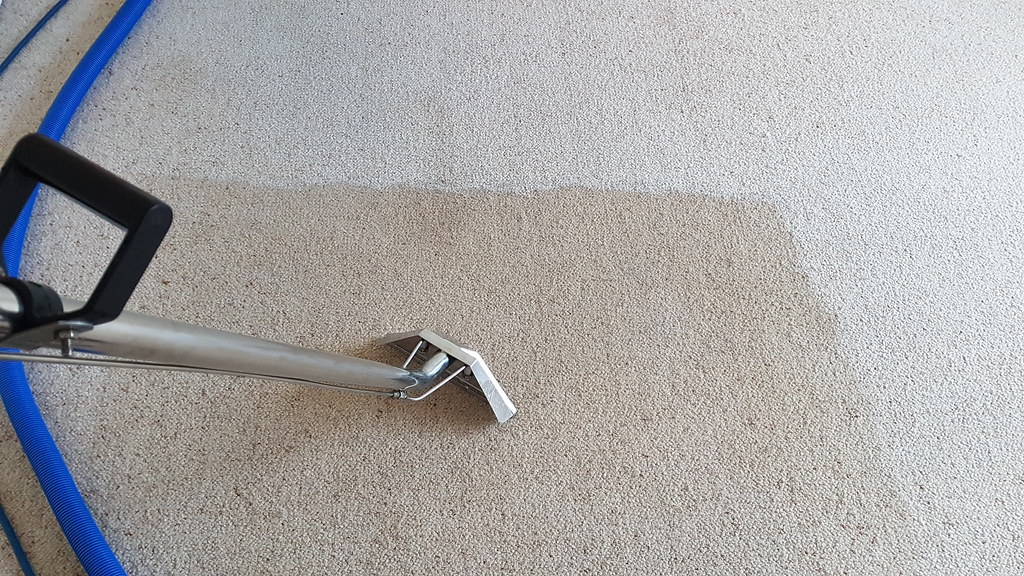
“Dry” carpet cleaning is really low-moisture cleaning: it uses a small amount of liquid rather than none. The main types are encapsulation, bonnet cleaning and absorbent compound. Steam cleaning is the common name for hot water extraction, which rinses the pile and vacuums the water back out. (If the name confuses you, steam cleaning vs hot water extraction explains why they are the same thing.)
| Hot water extraction (“steam”) | Encapsulation | Bonnet (rotary pad) | Absorbent compound (“dry powder”) | |
|---|---|---|---|---|
| How it works | Hot solution injected and vacuumed back out | Polymer solution surrounds soil and dries to a brittle residue | Rotary machine buffs the surface with a solution-soaked pad | Damp absorbent granules brushed in, then vacuumed out |
| Water used | Most; recovered by vacuum | Little | Little | Very little |
| Where soil goes | Out through the hose | Stays until later vacuuming | Partly into the pad | Into the granules, then the vacuum |
| Reaches deep soil? | Yes | Mostly surface and mid-pile | Surface only | Surface and mid-pile |
| Typical dry time | About 4 to 8 hours | About 1 to 2 hours | About 1 to 2 hours | Short |
| Best fit | Residential deep clean; periodic reset for offices | Commercial maintenance between deep cleans | Commercial appearance touch-ups (check the warranty) | Spots and areas that cannot get wet |
Drying times above are typical ranges under normal indoor conditions, not promises; humidity and airflow change them, as our guide on how long carpet takes to dry explains.
How Does Dry Carpet Cleaning Work?
Dry carpet cleaning works by holding soil in something that can be vacuumed away, instead of rinsing it out with water. The chemistry differs by type, and so does the result.
Encapsulation is the most common. A cleaning solution with polymers is sprayed on and worked in with a brush machine. As it dries, the polymer wraps around oily soil and turns into brittle crystals that let go of the fiber. Routine vacuuming over the next days removes them. Done well on commercial carpet, it keeps traffic lanes bright with the carpet back in use in about an hour.
Bonnet cleaning spins an absorbent pad over the carpet surface. It makes a dingy lane look better quickly because it lifts soil from the tips of the fibers, but it does nothing for the soil lower in the pile. Some carpet makers object to it outright; see the warranty section below.
Absorbent compound is a damp granular material brushed into the pile. The granules absorb soil and are vacuumed out once dry. It is a niche tool, useful where water is a problem.
The common thread: low-moisture methods do not remove the soil on the day. They make it removable, and the vacuum finishes the job afterward.
What Each Method Leaves Behind
Steam cleaning should leave clean, damp fiber. Dry methods leave something in the carpet on purpose, and that is the real trade.
Encapsulation leaves polymer crystals that are meant to be vacuumed out over time. On a commercial floor that is vacuumed daily, that works. In a home vacuumed once a week, some of it stays. That is why our post on re-soiling after carpet cleaning cautions against very low-moisture and no-rinse methods on residential carpet: in a house, the goal is to get soil out, not to park it in the pile.
Hot water extraction has its own residue risk, but for the opposite reason. If the rinse is poor or recovery is weak, detergent stays behind and attracts soil. The fix is a thorough rinse and strong suction, not less water.
Pro tip: Walk the traffic lane with white socks a week after any cleaning. If they come away gray in a lane that looked great on cleaning day, soil or residue was left in the pile, and the next clean should be a thorough extraction rinse rather than another surface pass.
What Carpet Makers Say About Each Method
Carpet makers name hot water extraction for residential warranty care. Shaw’s care guide states that “Shaw recommends only hot water extraction (also called ‘steam cleaning’)” and warns that non-approved products or treatments “may result in damage to your carpet that will not be covered by your warranty” (Shaw Floors care guide, PDF). Mohawk’s care guide says “Mohawk requires professional hot water extraction every 18 months” (Mohawk Care and Maintenance Guide, PDF).
Commercial makers expect both methods, used together. Mannington Commercial describes a routine program as “daily vacuuming, interim low-moisture cleanings, and quarterly or even annual wet extractions and restorative procedures.” It also warns that for Mannington carpets, “using any type of rotary machine with a bonnet, brush or pad; will damage your carpet and void your warranty” (Mannington Commercial).
Two practical rules follow. For carpet in your home, a low-moisture clean does not replace the extraction your warranty asks for. For carpet at work, read the maker’s own maintenance guide before anyone brings a rotary bonnet machine through the door.
When Should You Choose Dry Cleaning or Steam Cleaning?
Choose steam cleaning (hot water extraction) when the goal is to remove soil; choose a low-moisture method when the goal is to keep a floor presentable between deep cleans or to avoid downtime. In practice:
| Situation | Better fit | Why |
|---|---|---|
| Whole-house clean in an Apex home | Hot water extraction | Rinses soil out of the pile; the method warranties name |
| Red clay ground into entry lanes | Hot water extraction with pre-treatment | Clay sits deep; surface methods smear rather than remove it |
| Pet urine in the carpet or pad | Neither alone; targeted urine treatment, then extraction | The source is in the pad |
| Office lanes that must stay bright monthly | Encapsulation between extractions | Back in use in about an hour |
| Lobby that opens at 7 a.m. | Low-moisture on weeknights, extraction on a weekend | Fits the downtime you have |
| A rug or carpet whose label calls for low-moisture care | Follow the label | The maker knows the fiber |
For homes, the choice is simple: professional carpet cleaning by extraction for the real clean, and good vacuuming in between. For offices around Beaver Creek Commons or along the NC-55 corridor, the right answer is usually both methods on a schedule. The commercial side is covered on the commercial carpet cleaning page, and the planning question is answered in how often office carpet should be cleaned.
Frequently Asked Questions
Is dry carpet cleaning better than steam cleaning?
Not for a deep clean. Dry, low-moisture methods are faster to dry, but they bind soil for later vacuuming rather than rinsing it out. Hot water extraction removes more of the soil that sits deep in the pile, which is why Shaw and Mohawk name it for warranty care.
Is dry carpet cleaning really dry?
No. Encapsulation and bonnet cleaning use a small amount of liquid, and absorbent compounds are slightly damp. The carpet is back in use quickly, often in an hour or two, but it is not a waterless process.
Does dry cleaning work in humid Apex summers?
It dries faster than extraction in any weather, which is its main appeal in a muggy July. The trade is depth of clean. For a home, running the air conditioning and fans after an extraction clean usually solves the drying problem without giving up the rinse.
Will dry cleaning void my carpet warranty?
It can if it replaces the required cleaning. Mohawk requires professional hot water extraction every 18 months, and Mannington says rotary bonnet machines void its commercial warranty. Check your maker’s guide and keep invoices that name the method.
Which method is best for commercial carpet in Cary or Morrisville?
Usually a mix: low-moisture cleaning between visits to keep lanes presentable, and hot water extraction periodically to flush out what builds up. See commercial carpet cleaning for how the two are combined.
How do I get a straight answer on which method my carpet needs?
Ask for a walk-through and a written quote that names the method and the reason. Request a free quote, or compare room-by-room numbers first in the Apex carpet cleaning cost guide.
Dry Carpet Cleaning vs Steam Cleaning: The Short Version
In the dry carpet cleaning vs steam cleaning choice, steam cleaning (hot water extraction) is the deep clean and the method carpet makers name for homes. Dry, low-moisture cleaning is the fast maintenance tool that keeps busy commercial floors looking right between extractions. Most homes in Apex, Cary, Holly Springs, Fuquay-Varina and Morrisville need the first; most offices need both.
Request a free quote that names the method in writing, or check the carpet cleaning cost guide for up-front, room-by-room pricing before you call.