Professional Carpet Cleaning vs Renting a Machine
Carpet Cleaning Apex • July 15, 2026 • 8 min read
You are standing in the grocery store staring at a stack of Rug Doctor machines, doing the math in your head. Rent the machine, buy the solution, spend your Saturday, and save some cash, or call a pro and be done with it. It is a fair question, and the honest answer to professional carpet cleaning vs rental is not “always hire a pro.” It depends on your carpet, your stains, and what you actually want at the end. In Apex, where red clay tracks in from every driveway and April pine pollen settles into the pile near your front door, the gap between the two approaches is bigger than most people expect. This guide breaks down heat, suction, drying time, real cost, and results side by side so you can pick the right tool for the job.
Professional vs Rental Carpet Cleaner: The Side-by-Side
Here is the fast comparison. The differences come down to a few machine specs that most homeowners never see on the rental box.
| Factor | Rental Machine (Rug Doctor / BISSELL) | Professional Hot Water Extraction |
|---|---|---|
| Water temperature | Tap hot, cools fast, roughly 100-130°F | Truck-mount or pro unit at 180-230°F |
| Suction / water recovery | Light; leaves carpet damp to wet | Strong vacuum; recovers most of the water |
| Cleaning solution | Consumer detergent, often over-applied | Pro pre-spray plus rinse, residue-controlled |
| Drying time | 12-24+ hours, sometimes longer | 4-8 hours with proper airflow |
| Red clay & set-in stains | Partial lift, often returns | Designed to break the iron-oxide bond |
| Pet urine in padding | Surface only | Enzyme treatment reaches the pad |
| Your time | 3-6 hours of labor | None, you leave the room |
| Best use | Small refresh, spot touch-up | Deep clean, whole-home, problem stains |
The takeaway: a rental machine cleans the surface, and professional hot water extraction cleans the fiber and the pad underneath. Both have a place. The rest of this article shows you exactly when each one wins.
Why Heat and Suction Change the Result
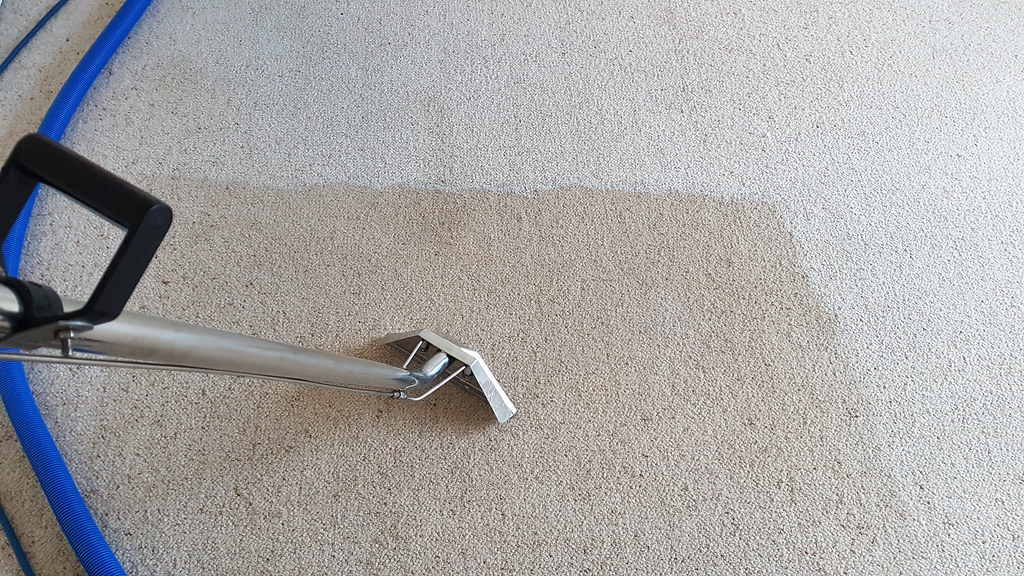
Heat and suction are the two specs that separate a rental from a pro machine, and they explain almost every difference in results. Rental units draw hot tap water that cools before it even hits the carpet, landing somewhere around 100-130°F at the pile. Professional truck-mount and pro-grade portable units hold water between 180 and 230°F. That heat does the actual work: it dissolves oily soil, loosens the bond that Piedmont red clay forms with carpet fiber, and lets the cleaning agent break down grease and pet residue instead of just pushing it around. Rental units are often sold as steam cleaners, but steam cleaning and hot water extraction are names for the same method; the difference is power.
Suction matters just as much. A rental machine puts water down and pulls a fraction of it back, so your carpet stays damp to genuinely wet. A professional extraction wand pulls most of that water and dissolved soil back out in the same pass. That single difference drives two things homeowners care about most: how clean the carpet actually gets, and how fast it dries.
Pro tip: The worst outcome with a rental is over-wetting. Water that soaks past the fiber into the pad and subfloor dries slowly in humid Apex summers, and that lingering dampness is exactly what feeds mildew smell and dust mites. If you rent, do dry passes, keep fans running, and never re-soak a spot that did not come up the first time.
The Residue Problem Nobody Warns You About
Rental machines tend to leave detergent behind, and that residue is why “clean” carpet gets dirty again so fast. Consumer solutions foam well and smell nice, but rental suction rarely rinses all of it out. Whatever soap stays in the fiber is sticky, and sticky fiber grabs the next round of red clay, pollen, and shoe soil faster than uncleaned carpet would. Homeowners in neighborhoods like Scotts Mill and Haddon Hall often notice their traffic lanes looking dirty again within a few weeks and assume the cleaning failed. It did not fail, it re-soiled. A single spot that returns in the same shape is a different problem, and why carpet stains come back after cleaning shows how to tell wicking from residue.
Professional extraction is built around rinse and recovery. A controlled pre-spray does the loosening, and the high-suction wand pulls the soil and the cleaning agent back out together, so far less residue is left to attract dirt. That is the real reason a pro clean tends to stay clean longer, not marketing. If your carpet keeps looking dingy soon after every DIY attempt, residue build-up is usually the culprit, and a proper deep hot water extraction resets it.
The True Cost of Renting vs Hiring
The sticker price on a rental machine hides most of the real cost. The machine itself looks cheap, but you have to add solution, your time, and the risk of a result you are not happy with. Here is roughly how it adds up for an average Apex living room and hallway.
| Cost item | Rental (DIY) | Professional |
|---|---|---|
| Machine rental (24 hr) | $35-$50 | Included |
| Cleaning solution | $20-$40 | Included |
| Upgraded / stain formula | $10-$25 | Included |
| Your labor (3-6 hrs) | Your Saturday | None |
| Typical out-of-pocket | $65-$115 + time | Priced per room |
Once you stack rental, solution, and an upgraded formula for tough spots, a DIY job often lands in the $65-$115 range before you have vacuumed a single square foot, and you still spend half a day doing it. Professional pricing is per room and includes the equipment, the solution, and the labor, with no cleanup or machine return afterward. When you value your Saturday at anything, the gap narrows quickly, and the per-room numbers are easy to compare against a rented machine.
When a Rental Actually Makes Sense
Renting a machine is the right call for small, fresh jobs, and it would be dishonest to pretend otherwise. If you spilled coffee an hour ago, if you are freshening a single bedroom before guests arrive, or if you just want a light mid-year touch-up between professional cleanings, a Rug Doctor or BISSELL does a reasonable job. Fresh spills have not bonded to the fiber yet, so lower heat and lighter suction are enough to lift them.
A rental struggles when the problem is deeper than the surface. Set-in red clay, five-year-old builder-grade carpet in a fast-growing subdivision off Olive Chapel Road, heavy pet traffic lanes, or urine that has soaked into the pad are all beyond what a consumer machine can reach. Pet accidents are the clearest example: the smell lives in the padding, not the carpet face, and rental suction never gets down there. That is a job for an enzyme-based pet stain and odor treatment that neutralizes the source instead of masking it. If you want the longer breakdown of whether paying a pro pays off, our post on whether professional carpet cleaning is worth it walks through the trade-offs.
Frequently Asked Questions
Is a Rug Doctor as good as professional carpet cleaning?
No, a Rug Doctor is not as good as professional cleaning for deep or set-in soil, but it is fine for small refreshes. The main gaps are water temperature and suction: a rental runs cooler and recovers less water, so it cleans the surface and leaves the carpet wetter. For fresh spills and light touch-ups it works well. For red clay, heavy traffic lanes, or pet odor, professional hot water extraction reaches soil a Rug Doctor cannot.
Does DIY carpet cleaning damage carpet?
DIY carpet cleaning does not usually damage the fibers, but over-wetting and leftover detergent are real risks. Too much water can soak the pad and subfloor, which dries slowly in humid Apex summers and can cause odor or mildew. Leftover soap makes carpet re-soil faster. Use minimal solution, do several dry passes, and run fans to keep drying under control.
How much does it really cost to rent a carpet cleaner vs hire a pro?
Renting a carpet cleaner usually costs $65-$115 once you add the machine, solution, and an upgraded stain formula, plus three to six hours of your own time. Hiring a professional is priced per room and includes equipment, cleaning agents, and labor with no return trip or cleanup. See the Apex pricing guide for current per-room numbers.
How long does carpet take to dry after each method?
Professionally extracted carpet in Apex typically dries in 4-8 hours with good airflow, while rental-cleaned carpet often stays damp for 12-24 hours or more. The difference is suction: a pro wand pulls most of the water back out, and a rental leaves much more behind. Our guide on how long carpet takes to dry covers what speeds it up.
Can a rental machine remove red clay stains?
A rental machine can lighten fresh red clay but rarely removes set-in stains completely. Piedmont red clay bonds to carpet fiber with iron oxides, and breaking that bond takes the high heat and targeted treatment a consumer machine does not produce. If the clay stain has been there a while, expect a rental to fade it, not erase it.
Should I rent or hire for pet urine?
For pet urine you should hire a pro, because the odor lives in the padding below the carpet, not on the surface. Rental suction only reaches the carpet face, so the smell comes back as soon as the area warms up. An enzyme pet stain and odor treatment that penetrates to the pad is the only reliable fix, which is why pet accidents are one of the most common reasons Apex homeowners call.
Get an Honest Answer on Professional Carpet Cleaning vs Rental
The right choice in professional carpet cleaning vs rental comes down to the job in front of you: rent for a quick refresh, hire a pro for deep soil, set-in red clay, or pet odor that a machine cannot reach. If you are not sure which category your carpet falls into, it costs nothing to ask. We serve Apex, Cary, Holly Springs, and New Hill with free quotes and up-front, per-room pricing, so you know the number before any work starts. Request a free estimate or check the Apex carpet cleaning cost guide to compare it against your Saturday and a rented machine. Whichever way you lean, you will at least know what you are choosing between.