How Often Should Office Carpet Be Cleaned?
Carpet Cleaning Apex • September 26, 2026 • 7 min read
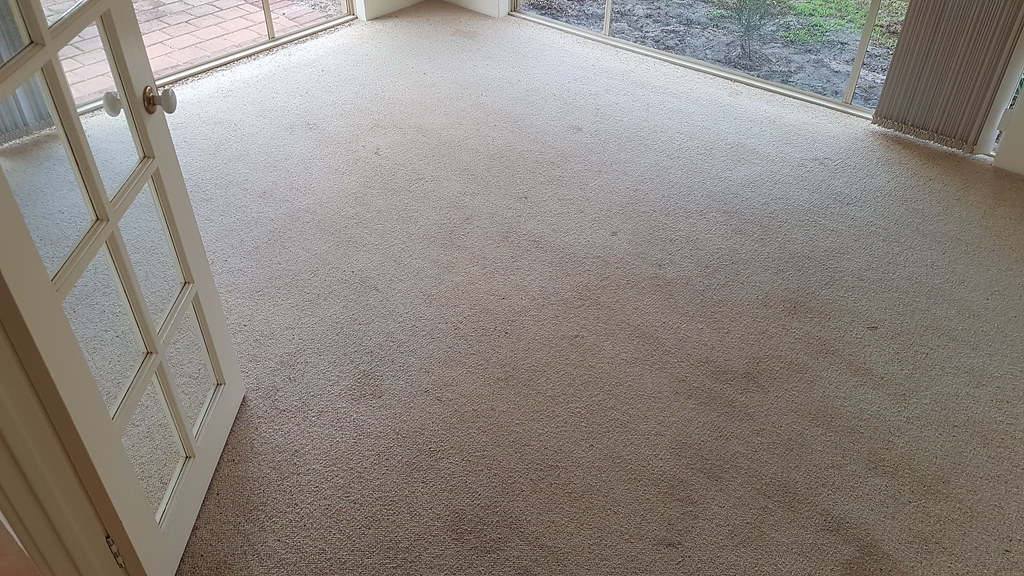
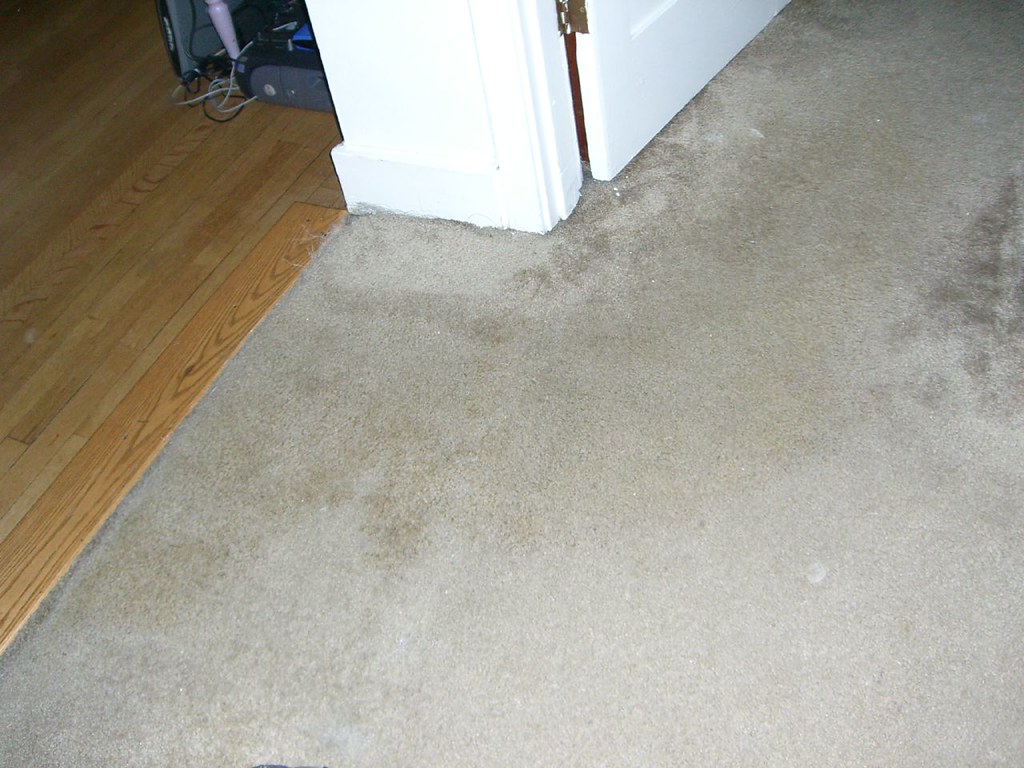
You manage an office in Apex, Cary or Morrisville, the carpet in the front entry is starting to show a gray path to the reception desk, and someone has asked you to put carpet cleaning in next year’s budget. How often should office carpet be cleaned? There is no single number, because an office is not one floor. The entry mat area might need attention monthly while a private office at the end of the hall can go a year. The practical answer is a schedule by traffic zone, with light maintenance cleaning often and deep cleaning less often.
This guide is the planning version of that answer: how to split your space into zones, what the manufacturers recommend for each, the difference between interim and restorative cleaning, what your carpet warranty likely expects, and how to build the calendar around a North Carolina year of red clay, spring pollen and summer storms.
How Often Should Office Carpet Be Cleaned?
Office carpet should be vacuumed daily in busy areas, given a low-moisture interim clean anywhere from monthly to quarterly depending on traffic, and deep cleaned by hot water extraction at least once a year. Mannington Commercial’s maintenance guidance sets out that pattern: interim cleaning “should follow a schedule ranging from quarterly for light traffic areas to every two-three months for medium use areas to monthly for heavily trafficked carpet,” within a routine of “daily vacuuming, interim low-moisture cleanings, and quarterly or even annual wet extractions and restorative procedures” (Mannington Commercial, How to Clean and Maintain Commercial Carpets).
The key idea is that frequency belongs to each zone, not to the building, and a commercial carpet cleaning plan should be priced that way too. Cleaning every square foot on the entry’s schedule wastes money; cleaning the entry on the private offices’ schedule wears it out.
Office Carpet Cleaning Schedule by Traffic Zone
Start by walking your floor plan and sorting every carpeted area into heavy, medium or light traffic. Then assign each zone its own schedule.
| Zone | Typical areas | Vacuuming | Interim clean (low-moisture) | Restorative clean (extraction) |
|---|---|---|---|---|
| Heavy | Entries, reception, elevator lobbies, break rooms, the path from the door to the desk | Daily | Monthly | Quarterly to twice a year |
| Medium | Main corridors, open-plan aisles, copy and mail areas | Daily in lanes; several times a week elsewhere | Every 2 to 3 months | Once or twice a year |
| Light | Private offices, conference rooms, storage | One to two times a week | Quarterly | Once a year |
The interim column follows Mannington’s published guidance. The restorative column sits inside Mannington’s “quarterly or even annual” range; how you place each zone within it is common practice, not a manufacturer rule, and should be adjusted after the first year once you see how the lanes hold up. Spot cleaning is daily in every zone: spills handled the day they happen never become stains.
Break rooms deserve a note. They are heavy zones for a different reason: food, coffee and grease rather than tracked-in soil. They often need interim cleaning as often as the entry, even if fewer people walk through.
Interim vs Restorative Cleaning: What Is the Difference?
Interim cleaning keeps carpet looking right between deep cleans; restorative cleaning removes what has built up in the pile. Both are needed, and one does not replace the other.
Interim cleaning is usually a low-moisture method such as encapsulation. It targets the traffic lanes, dries quickly, and lets an office reopen within hours. It improves appearance by loosening surface soil for the vacuum to remove.
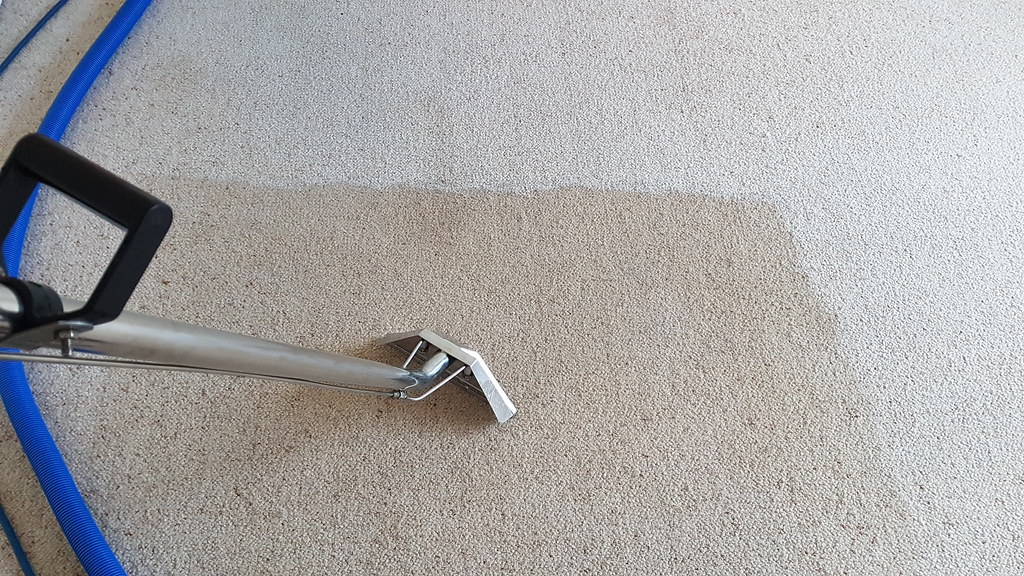
Restorative cleaning is hot water extraction. Mannington describes it as a method that “forcefully injects cleaning solution and hot water into the carpet,” then extracts the solution “along with embedded soil through a powerful vacuum.” It takes longer to dry, so it is usually scheduled for a weekend or a long evening.
The practical rule for a planner: interim cleaning sets how the carpet looks this month; restorative cleaning sets how long it lasts. A program with only interim cleaning looks fine until the pile is saturated with soil it never flushed out. The two methods are compared in detail in dry carpet cleaning vs steam cleaning.
Pro tip: Put a date sticker on the back of the reception desk each time a zone is cleaned. When the lane in front of it goes gray long before the next scheduled visit, you have evidence that the heavy zone needs to move up a notch.
What Does Your Commercial Carpet Warranty Expect?
Most commercial carpet warranties expect a documented maintenance program, and some rule out specific equipment. Mannington, for example, warns that for its carpets “using any type of rotary machine with a bonnet, brush or pad; will damage your carpet and void your warranty.”
Warranty terms differ by maker and product, so find the maintenance guide for the carpet actually installed in your space. The facilities file from the build-out, or the flooring contractor, usually has it. Then keep three things on record:
- The method used at each visit, by zone (interim or restorative, and what kind).
- The date and areas cleaned, so gaps are visible.
- The products and equipment used, if your warranty names acceptable ones.
A simple log is what turns a warranty claim from an argument into a formality.
Building the Calendar Around a Triangle Year
Weather and local soil change when to schedule, not just how often.
Red clay. Every Apex, Cary and Morrisville parking lot has Piedmont clay nearby, and it rides in on shoes after rain. Entry zones take most of it. Mannington notes that “a proper entry of 10-15 feet is optimal to trap 80 percent of soil,” so the entry matting you have directly sets how hard the heavy zone works.
Spring pollen. Triangle pine pollen peaks from late March to early April and fades by late April or early May (NC State Extension, pine pollen season). Schedule an interim clean of entries during the peak and the spring restorative clean after it fades, so the reset is not undone within a week.
Summer humidity. Muggy July air slows drying. Book restorative extraction for a Friday evening or weekend so the carpet has time to dry with the HVAC running before Monday.
Leaks. A roof or supply-line leak does not wait for the schedule. Wet carpet in an office needs carpet water extraction quickly, before the pad starts to smell.
A sample year for a small Apex office might look like: monthly interim cleans of the entry and break room; interim cleans of corridors every two to three months; one restorative extraction of the full floor in late May; and a second restorative clean of the heavy zones in November before the holiday traffic.
Frequently Asked Questions
How often should office carpet be deep cleaned?
At least once a year for the whole floor, and more often for heavy zones. Mannington’s guidance places wet extraction “quarterly or even annual,” with the busiest areas nearer the quarterly end. Entries and break rooms in Apex offices usually need it before the private offices do.
How often should office carpet be vacuumed?
Daily in heavy and medium traffic areas. Mannington notes that daily vacuuming with a good commercial vacuum “can reduce 80 percent of dry soil.” Private offices and conference rooms can usually be vacuumed once or twice a week.
Is low-moisture cleaning enough for office carpet?
Not on its own. Low-moisture interim cleaning keeps lanes presentable between deep cleans, but it does not flush out soil that builds up in the pile. A restorative hot water extraction on a regular schedule is still needed.
What is the cheapest way to keep office carpet looking good?
Prevention and consistency: good entry matting, daily vacuuming, same-day spot cleaning, and interim cleans on schedule so heavy zones never reach the stage where they need restoration. The zone table above is the place to start.
Does office carpet need cleaning more often in Cary or Morrisville?
It depends on the building, not the town. Offices with parking lots close to open ground, heavy client traffic or break rooms near the entry need tighter schedules. Spring pollen season affects every Triangle office equally.
How do I get a zone-by-zone cleaning plan for my office?
Start with a walk-through of the space, then a written plan that names the zones, methods and frequencies. Request a free quote to set one up. For home carpet, the equivalent guide is how often carpet should be professionally cleaned.
Plan How Often Your Office Carpet Should Be Cleaned
How often office carpet should be cleaned comes down to zones: heavy areas monthly for interim cleaning, medium every two to three months, light quarterly, and a restorative extraction at least once a year, all logged for the warranty. For offices, shops and suites in Apex, Cary, Holly Springs, Fuquay-Varina and Morrisville, that plan fits around business hours and the Triangle calendar.
Request a free quote for a walk-through and a written, zone-by-zone plan, or read more about commercial carpet cleaning first.