Can Wet Carpet Padding Be Saved?
Carpet Cleaning Apex • September 26, 2026 • 8 min read
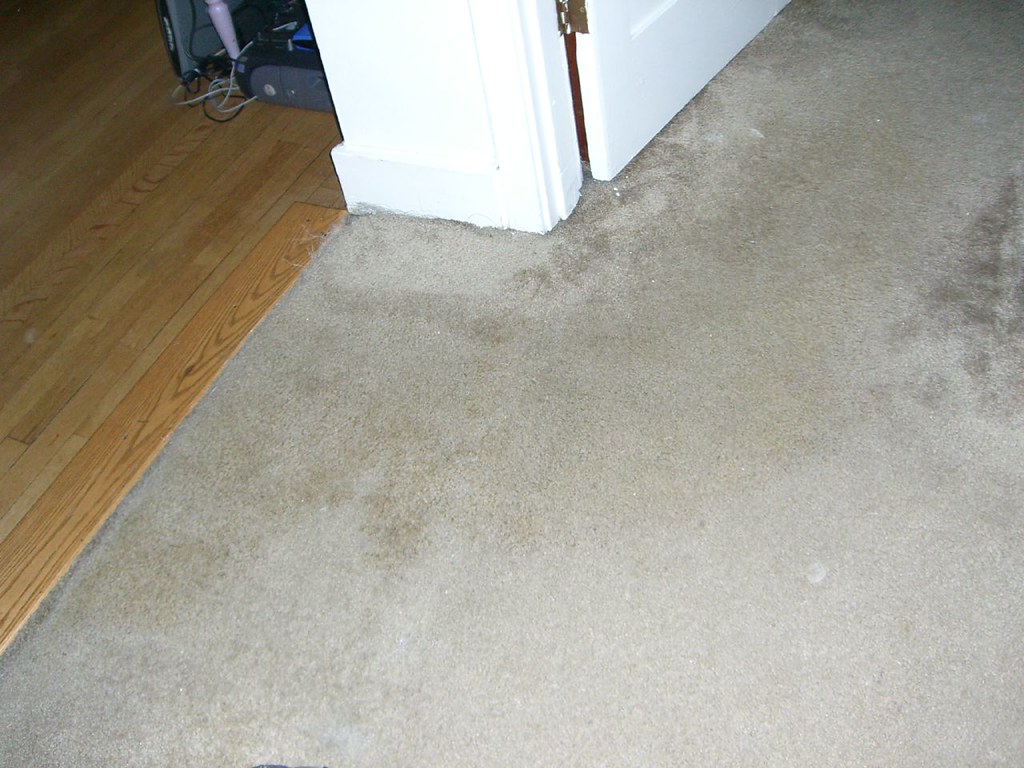
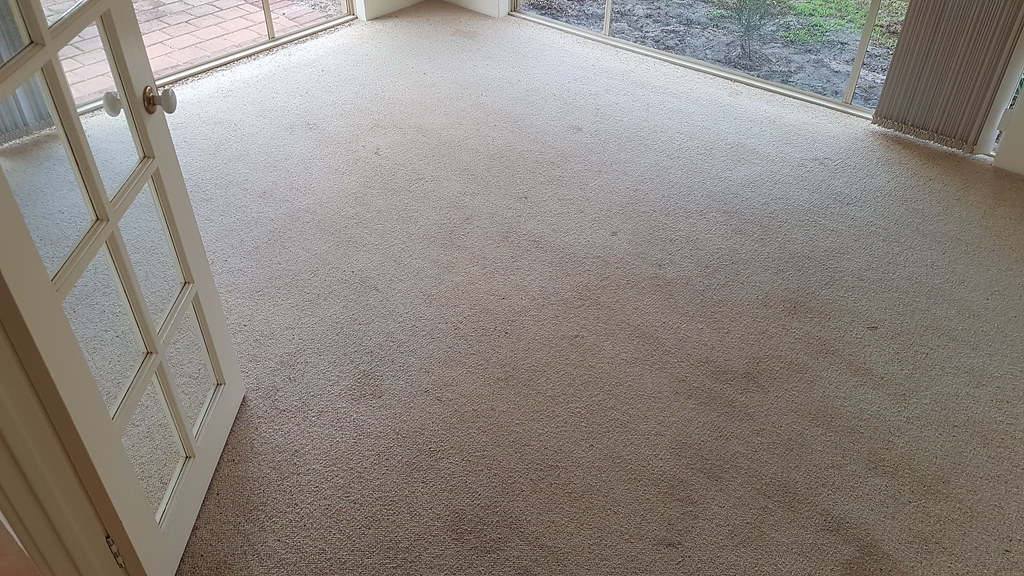
The water is off, the furniture is out and the fans have run all night. The carpet feels almost dry on top, but press a knee into it and it still gives up a cold damp spot. That dampness is the pad, and now you have to decide what happens to it. Can wet carpet padding be saved? Sometimes, and the answer comes down to four facts you can work out yourself: what kind of water it was, how long the pad has been wet, how much of the room got soaked, and what the pad is made of.
The good news is that the most important rules come from a primary source written for North Carolina homeowners. NC State Extension’s Water-Damaged Carpets and Rugs (Sarah Kirby, revised 27 March 2024) draws the lines clearly, and this guide turns them into a decision you can make for a bedroom in Walden Creek or a family room in Pemberley.
If the water is still on the floor, start with what to do first when carpet gets wet. This post picks up after the first hours, once the question is save or replace.
Why the Pad Is the Problem, Not the Carpet
Carpet pad is built to be soft and springy, which also makes it absorbent. Most residential pad is bonded urethane foam (often called rebond: shredded foam pressed into a sheet), and open foam soaks up water and holds it well below the fibers you can touch.
That changes the whole job. Carpet fibers shed water fairly quickly once air moves across them. The pad sits between the carpet backing and the subfloor, with little air reaching it, so it stays wet long after the surface feels dry. That dark, damp, still layer is where mold gets its start, and it is why the EPA warns that absorbent materials like carpet “may have to be thrown away if they become moldy” (EPA, A Brief Guide to Mold, Moisture and Your Home).
There is a practical upside. Pad is the cheaper layer. When the carpet can be saved but the pad cannot, replacing only the pad under a dried and cleaned carpet is a common outcome, and it is a much smaller job than new carpet.
Can Wet Carpet Padding Be Saved? The Decision Table
Wet carpet padding can be saved only when the water was clean, the pad has been wet for less than 48 hours, and only part of the pad in the room got wet. Those three conditions come straight from NC State Extension: pad “can be restored if it has been wet from clean water less than 48 hours and if only part of the padding in a room is wet.” Miss any one and replacement is the safer call.
| Water type | Hours wet | How much of the room | Pad decision |
|---|---|---|---|
| Clean (supply line, tub overflow, rain) | Under 48 | Part of the pad | Can be restored with extraction and drying |
| Clean | Under 48 | All or nearly all of the pad | Replace is usually the safer call |
| Clean | Over 48 | Any | Replace; the clean-water window has passed |
| Gray (washer or dishwasher discharge, aquarium) | Any | Any | Remove and dispose, “no exceptions” |
| Black (sewage, floodwater) | Any | Any | Remove and dispose; the carpet goes too |
Read the table from the top and stop at the first row that fits. A few notes on each column:
Water type. NC State says to “remove and dispose of carpet padding saturated with ‘gray’ or ‘black water’ (no exceptions).” For black water, it says to dispose of the carpet as well. Gray-water carpet (not the pad) “may be cleaned by a professional using a biocide, allowing appropriate contact time, and using the hot water extraction cleaning method.”
Hours wet. The clock starts when the water arrived, not when you found it. A slow leak behind a washer that ran for days has already used up the window, even if you noticed it this morning. Gray water also gets worse with time: NC State notes that gray water left untreated for more than 48 hours “may change to the ‘black water’ category.”
How much of the room. A wet corner by a closet is a different problem from wall-to-wall saturation. When only part of the pad is wet, extraction can compress the wet section and air can reach it from the dry edges. A fully saturated room has no dry margin to work from.
Pro tip: Mark the wet edge with painter’s tape on the baseboard as soon as you find the leak, and write the time on it. Twelve hours later you will know whether the wet area is shrinking or spreading, and anyone you call will know exactly how long the pad has been wet.
What Pad Type Changes
Pad type does not override the water rules above, but it affects how a clean-water pad behaves while drying.
| Pad type | How it handles water |
|---|---|
| Bonded urethane (rebond) | Soaks through quickly and holds a lot of water. Dries only with extraction plus steady airflow |
| Prime or memory foam | Dense and slow to release water once saturated |
| Pad with a moisture barrier film on top | Stops spills from above reaching the pad, but also traps water that arrives from below or the sides |
| Rubber or fiber pad | Less common in Triangle homes; ask whoever is drying the room how theirs responds |
The moisture-barrier case matters in newer homes, where some builders and flooring stores sell barrier pad as a pet upgrade. It works well against spills on top, and poorly against a supply-line leak that runs under the carpet from the wall, because the film slows drying from above.
What Saving a Pad Actually Involves
Saving a pad means getting water out of it, not just air across the carpet above it. Fans alone rarely manage that in time.
- Extraction that compresses the pad. Weighted or stand-on extraction tools press the carpet down so the pad releases water into the vacuum. A shop vac nozzle only skims the surface.
- Drying from above and below. Air movers aimed across the carpet, dehumidification to pull water out of the room air, and in some cases the carpet lifted at a corner (called floating) so air reaches the pad directly.
- Checking with a meter, not by touch. The top can feel dry while the pad reads wet. A moisture reading on day one and again the next day shows whether it is drying on schedule.
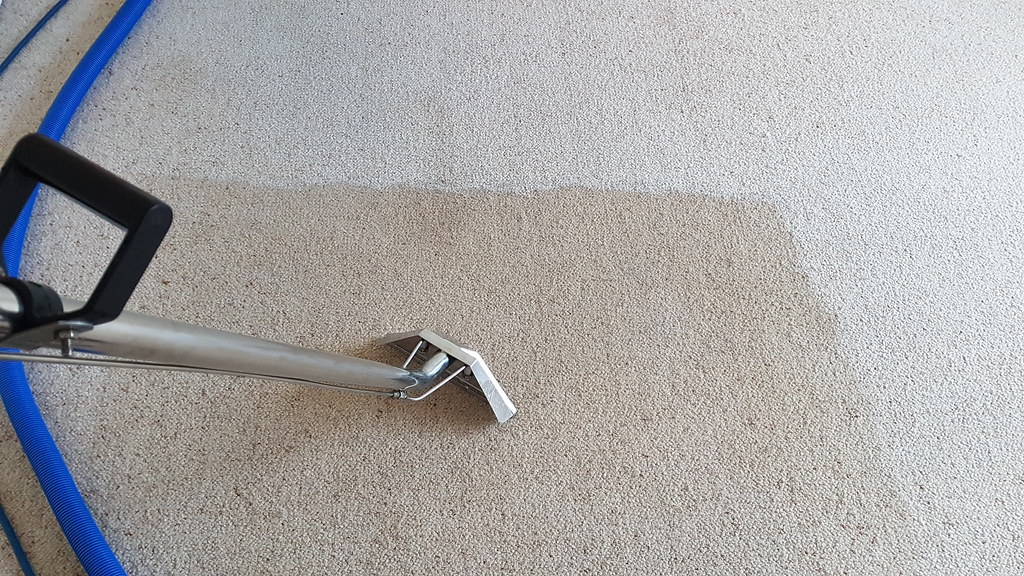
- Cleaning once dry. A dried carpet still holds whatever the water carried in. A full cleaning after drying resets it.
This is the work carpet water extraction and drying covers: water in carpet and pad, a pad decision based on readings, and drying equipment placed for the room. When the answer is black water, soaked drywall or water in the ceiling below, the job belongs to a water damage restoration company, and your insurer should hear about it first.
Pet Urine Is a Pad Problem Too
Not every soaked pad comes from a leak. Repeated pet accidents in the same corner can saturate the pad from above, and the smell comes back after every surface cleaning because the source is underneath. The rules differ from a leak (urine is not “clean water”), and the fix is usually treating or replacing that section of pad. The guide to getting pet urine smell out of carpet covers that case, and pet stain and odor removal is the service built for it.
Frequently Asked Questions
How do I know if my carpet pad is still wet?
Press hard with your palm or knee for ten seconds, then lift and feel for cold or damp. A cold spot usually means water under the surface. A moisture meter is the only reliable check, because the carpet can feel dry while the pad underneath is still wet.
Can you dry carpet padding without removing the carpet?
Sometimes, when the water was clean, it is inside 48 hours and only part of the pad is wet. That takes real extraction plus steady airflow and dehumidification, and in humid Apex summers it rarely happens with household fans alone. If the pad is still reading wet after a day, replacement is usually the better call.
Is it cheaper to replace just the pad?
Usually, yes. Pad is the less expensive layer, and swapping it under a dried and cleaned carpet is a much smaller job than new carpet. For how pricing works on extraction visits, see the Apex carpet cleaning cost guide.
Can carpet be saved if the pad has to go?
Often, if the water was clean or gray and the carpet was dried promptly. NC State Extension allows gray-water carpet to be professionally cleaned with a biocide and hot water extraction. Carpet soaked with black water should be discarded along with its pad.
What if the leak was slow and I just found it?
Treat it as over 48 hours. A slow leak from a water heater in a garage closet or a dishwasher line in a Deer Creek kitchen may have been wetting the pad for days, so the clean-water restore window has likely passed. Replace the wet section of pad and dry the subfloor fully before anything goes back down.
Does wet pad cause mold?
It can, and it is the most likely place for it to start. The EPA says wet materials dried within 24 to 48 hours usually will not grow mold; pad that stays wet longer is the classic source of a musty carpet smell weeks later.
Wet Carpet Padding in Apex? Get the Call Made on Readings
Whether wet carpet padding can be saved comes down to clean water, under 48 hours, and only part of the room. Outside those three, replacing the pad is cheaper than finding mold later.
For water in carpet and pad across Apex, Cary, Holly Springs, Fuquay-Varina and Morrisville, request a free quote and say when the water arrived, where it came from and how much of the room is wet. A pad decision should come with moisture readings behind it and up-front pricing before any work starts.