Wet Carpet After a Leak: What to Do First
Carpet Cleaning Apex • September 26, 2026 • 9 min read
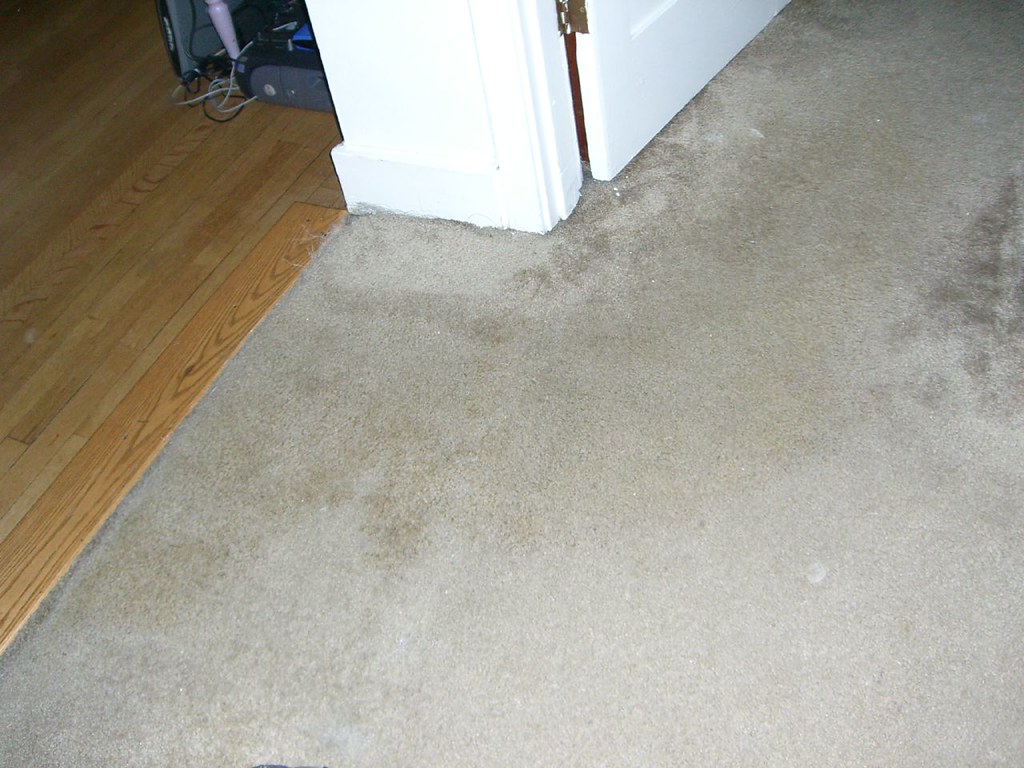
You step into the hall and your sock soaks through. A supply line under the upstairs laundry let go, or the water heater in the garage closet finally gave out, and now the carpet is dark and squishy for several feet. Knowing what to do if carpet gets wet in the first hour matters more than anything that happens later, because the clock on mold starts the moment the water lands.
North Carolina State Extension puts it plainly: wet carpet should be dried “within 24 hours of getting wet; otherwise mold and fungi can grow to numbers that present a health risk” (NC State Extension, Water-Damaged Carpets and Rugs). The EPA gives a similar window: materials “dried 24-48 hours after a leak or spill” usually do not grow mold (EPA, A Brief Guide to Mold, Moisture and Your Home).
This guide is the first-hour checklist for Apex, Cary and Holly Springs homes: staying safe, naming the water, what a shop vac can and cannot do, and when the job belongs to a carpet extraction service or a restoration contractor.
What to Do If Carpet Gets Wet: The First Hour
Stop the water, make the room safe, and start removing water, in that order. Everything else can wait ten minutes.
- Stop the source. Close the fixture valve (behind the toilet, under the sink, behind the washer) or the main shutoff. In most Apex homes the main is in the garage, a utility closet or where the line enters the crawlspace. Find yours before you ever need it.
- Deal with electricity. If water has reached outlets, power strips or cords on the floor, switch off that circuit at the panel before you walk into the room. Never stand in water to unplug something.
- Work out what kind of water it is. Clean, gray or black changes everything that follows (see the next section). If it came from a toilet backup or a drain, stop here and read the black-water line before touching it.
- Photograph it. Take wide shots and close-ups of the wet area, the source and any damaged items before you move anything. Your insurer will want them, and they cost you nothing.
- Get furniture off the carpet. NC State Extension says to “quickly remove any furniture that may be damaged or cause stains or damage to the carpet.” Wood legs bleed stain and metal glides rust onto wet pile. If a piece is too heavy to move, slide foil or plastic lids under each leg.
- Pull up area rugs. A rug on wet carpet holds water in both layers and can transfer dye. Move it to a hard floor or outside to dry flat.
- Start removing water and moving air. A wet vacuum on the worst spots, then fans across the floor and the air conditioning on. Details below.
Pro tip: Before you start extracting, walk the edges of the wet area barefoot or press a paper towel into the carpet every foot or so. Water wicks under walls and across rooms, so the wet patch is almost always bigger than the dark patch you can see.
Is the Water Clean, Gray or Black?
The water’s source decides whether the carpet and pad can be saved at all. NC State Extension sorts it into three groups, and the same three categories are what an insurer or a restoration company will ask about.
| Water type | Common Apex sources | What it means for the carpet |
|---|---|---|
| Clean | Burst supply line, sink or tub overflow, rainwater, water heater | Often saveable if dried fast. NC State says cleaning it yourself is an option if found within 48 hours |
| Gray | Washing machine or dishwasher discharge, broken aquarium | The pad goes, “no exceptions.” The carpet may be professionally cleaned with a biocide and hot water extraction |
| Black | Sewage, toilet backup with waste, floodwater from creeks or rivers | Carpet and pad are removed and discarded. This is restoration work |
Two details catch people out. First, the washing machine is gray water even though it looks clean: it is the machine’s drain water, not the supply line. Second, time moves water down the list. NC State notes that gray water left untreated for more than 48 hours “may change to the ‘black water’ category as microorganisms multiply.”
If the water is clean, keep going with the steps below. If it is gray, dry what you can and get a professional look at the pad the same day. If it is black, keep children and pets out of the room, do not run a household vacuum through it, and call your insurer and a water restoration company.
What Can a Shop Vac and Fans Actually Do?
A wet/dry shop vac and a few fans can handle a small clean-water spill, but they cannot dry a soaked pad. The difference is where the water sits. Carpet fibers hold some of it; the pad underneath holds most of it, and a shop vac nozzle only reaches the top.
| Task | Shop vac and fans | Professional extraction and drying |
|---|---|---|
| Lift surface water from a small spot | Yes | Yes |
| Pull water out of a saturated pad | Very little | Weighted extraction compresses the pad to release it |
| Find how far the water spread | Guesswork | Moisture meters map the wet edges |
| Dry carpet, pad and subfloor together | Slow, often incomplete | Air movers and dehumidifiers placed for the room |
| Tell you whether the pad should stay | No | Readings give a basis for the call |
Here is how to get the most out of what you have at home:
- Shop vac first, slow passes. Overlap strokes and press down on the nozzle. Empty the tank often; a full tank stops pulling.
- Never use a household upright or canister vacuum. They are not built for water and it is an electrical hazard.
- Run the AC and the HVAC fan. NC State recommends oscillating fans and the air conditioner to dry carpet. On a humid Triangle day, open windows let wet air in, so keep them shut.
- Aim fans low and across the floor, not straight down, and keep them running overnight.
- Stay off it. NC State notes that moisture weakens carpet’s latex backing and walking on it can make the backing separate; it regains most of its strength once dry.
If the carpet still feels damp after a day of this, the pad is holding water, and the question becomes whether wet carpet padding can be saved. That decision has its own rules, and they depend on the water type and the hours it sat.
When Should You Call for Help, and Who?
Call for professional extraction when more than a small spot is wet, when the pad is soaked, or when the carpet is not drying within a day. Call a restoration contractor when the water is black, when walls or ceilings are wet, or when water reached the floor below.
Carpet water extraction and drying is for water in carpet and pad: extraction, drying equipment, a decision on the pad, and a cleaning once it is dry. It is the right call for a clean-water leak across a room or two.
A water damage restoration company is the right call for sewage, flooded basements, soaked drywall, water through a ceiling, or anything that needs walls opened and the structure dried. Those are outside what a carpet service does, and a good carpet service will say so.
Your insurer should hear about any leak large enough to call a professional for. Policies differ on sudden leaks, slow leaks and flood, so read yours or ask your agent rather than assuming. Your first-hour photos are the start of the claim.
For a sense of what extraction work costs before you call, the Apex carpet cleaning cost guide covers pricing; ask for a written quote before any work starts.
Why the First Day Is Harder in an Apex Summer
Wet carpet dries slower here than in most of the country from May to September. The State Climate Office of North Carolina reported that Raleigh’s average dew point in July 2025 was 69.8°F, its highest for any July since 1946 (State Climate Office, 5 August 2025). Air that wet has little room left to absorb water from a carpet.
That is why the air conditioning matters more than the fans in a Scotts Mill or Sweetwater two-story in July. The AC pulls water out of the indoor air so the carpet has somewhere to give it up. If the smell turns sour or earthy after a few days, read why carpet smells musty before you decide it will fade on its own.
Frequently Asked Questions
How long can carpet stay wet before mold grows?
Aim to have it dry within 24 hours. NC State Extension says wet carpet should be dried within 24 hours, and the EPA says most materials dried within 24 to 48 hours will not grow mold. In a humid Apex summer, treat 24 hours as the real deadline.
Can I dry wet carpet myself?
Yes, for a small area of clean water caught quickly. NC State Extension says cleaning it yourself is an option for clean water found within 48 hours. If the pad is soaked, more than one room is wet, or the water was gray or black, the pad needs professional carpet water extraction or replacement.
Should I pull up wet carpet to dry it?
Only if you know how, and usually not in the first hour. NC State notes that carpet on tack strips can be lifted, cleaned and reinstalled, and that over a plywood subfloor the wet carpet and pad should come up so the subfloor dries completely before reinstalling. Lifting it badly can stretch or tear the backing, so leave that to whoever is drying the room.
Is washing machine water clean or gray?
It depends on which hose failed. A burst supply hose is clean water. Water from the drain side, or a machine that overflowed mid-cycle, is gray, which means the pad has to go no matter how fast you dry it.
Will my carpet smell after a leak?
Not if it dries within a day. A musty or sour smell a few days later usually means the pad or subfloor stayed wet. The guide to how long carpet takes to dry explains what normal drying looks like after a cleaning, which is a useful yardstick.
Does homeowners insurance cover wet carpet?
It depends on your policy and the cause. Sudden events and slow leaks are often treated differently, and flood is usually a separate policy. Photograph everything, then ask your insurer before work begins.
Wet Carpet After a Leak in Apex, Cary or Holly Springs?
Knowing what to do if carpet gets wet comes down to speed: stop the water, name the type, get furniture off, and start moving water and air within the hour. Clean-water leaks caught early are the ones where carpet and often pad survive.
For water in carpet and pad across Apex, Cary, Holly Springs, New Hill and Friendship, request a free quote and describe the source, the size of the wet area and how long it has been wet. Ask for a straight answer on whether it is an extraction job or a restoration job, and check the up-front pricing in the Apex cost guide before anything starts.