How Often Should You Seal Grout?
Carpet Cleaning Apex • September 26, 2026 • 8 min read
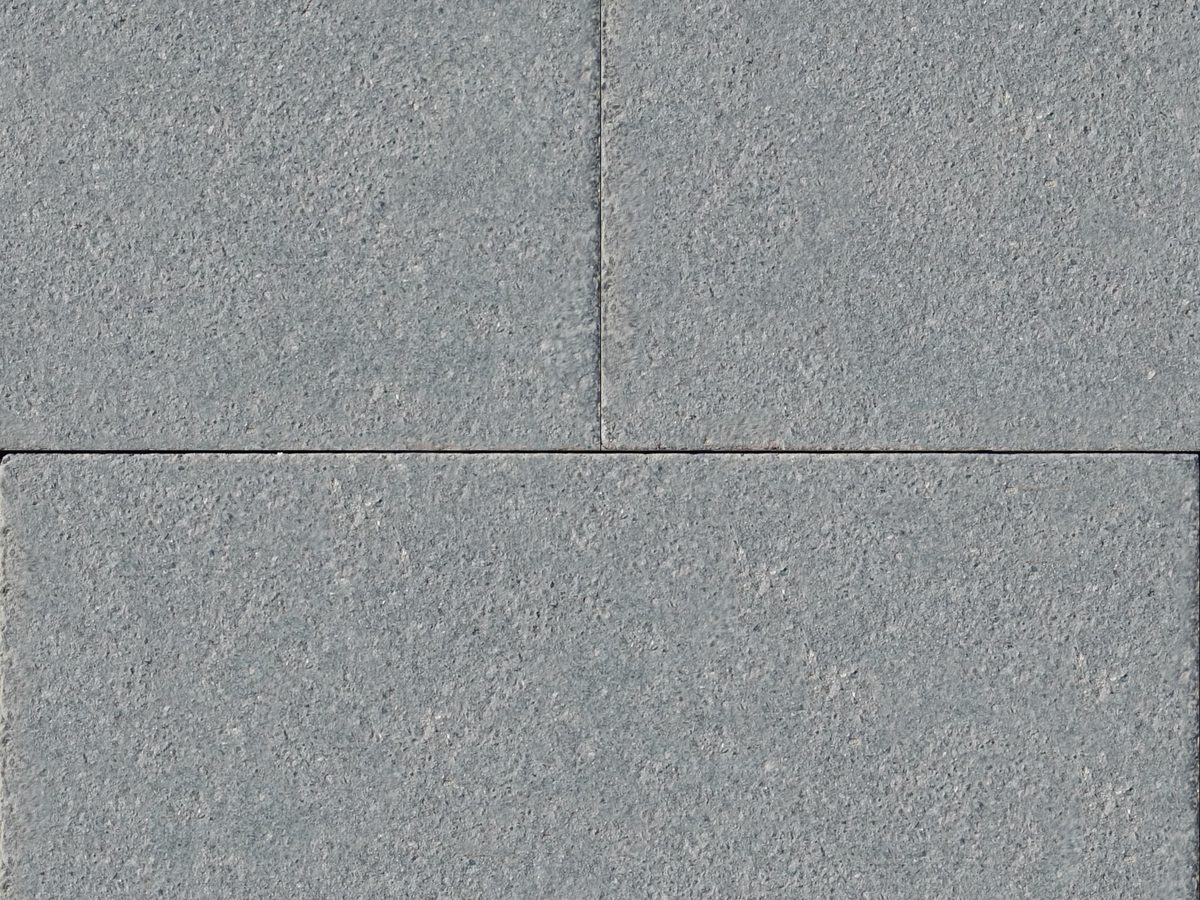
The grout finally looks the way it did at the walkthrough, and the obvious next question is how to keep it that way. How often should you seal grout? The honest answer is: when a water-drop test says the sealer has worn through, not on a set calendar. Sealer makers do not publish a fixed interval for good reason. How long a sealer lasts depends on the product, the room, the traffic, and above all what you mop with.
That is less satisfying than a date on the calendar, but it is more useful, because a test takes thirty seconds and tells you exactly where your floor stands. This guide covers the test, the two kinds of sealer, why the same product lasts longer in a guest bath in Salem Village than on a mudroom floor off a Smith Farm garage, and the mopping habits that make sealer last.
This post starts after the grout is clean. If yours is still dark, work through how to clean grout that won’t come clean first, because sealing dirty grout locks the dirt in.
Do You Need to Seal Grout at All?
Yes, if your grout is ordinary cement-based grout, which is what nearly every builder-grade floor in the Triangle uses. The Tile Council of North America says “sealer is a very good idea for cementitious grout,” meaning regular grout rather than epoxy, because cement grout is porous and can absorb a stain (TCNA, FAQ: Cleaning Grout).
Epoxy grout is the exception. TCNA says that “if epoxy grout is used, it is virtually as stain proof as the tile.” If your installer used epoxy (common in some showers and commercial kitchens, less so on builder floors), it does not need a penetrating sealer. If you do not know, assume cement.
How to Tell If Your Grout Is Still Sealed
Put a few drops of water on the grout and watch it. If the water beads or sits on the surface, the sealer is working. If the grout darkens and the water soaks in, it is time to seal.
That is not folk wisdom. Custom Building Products, the maker of the Aqua Mix and TileLab sealer lines, prints it in the maintenance section of its technical data sheets: “Tile industry experts recommend periodic testing of sealed surfaces. Apply a few drops of water on the surface. If it soaks in, an additional application of sealer will be necessary to keep sealer at peak performance” (Aqua Mix Sealer’s Choice Gold, TDS-158; the same wording appears in TileLab Grout Sealer, TDS-147).
A few tips for a test you can trust:
- Test where the floor works hardest: in front of the sink, the stove, the dishwasher, the shower door and the garage entry. Those spots fail first.
- Test clean, dry grout. Soap film or wax can make water bead on unsealed grout and fool you.
- Give it a minute. Some sealed grout darkens slightly and then dries back. Grout that stays dark and absorbs the drop is open.
Pro tip: Put a recurring reminder in your phone to do the water-drop test at the kitchen sink and the shower every few months. It takes less than a minute, and it replaces guessing at a resealing date with a real answer for your floor.
Penetrating vs Topical: Which Sealer Lasts?
Penetrating sealers last longer than topical ones on floor grout. TCNA describes two broad classes for cement grout: “penetrating sealer that chemically bonds with the grout and repels water (and water based stains) and topical sealers that coat the surface of the grout and repel almost everything (until they are worn off by foot traffic).”
| Penetrating sealer | Topical sealer | |
|---|---|---|
| Where it sits | Soaks into the grout pores | Forms a coating on top of the grout |
| Look | Usually invisible, no shine | Can look shiny or plastic |
| Durability (TCNA) | “More expensive but also more durable” | Wears off with foot traffic |
| Lets moisture escape | Usually vapor permeable, per TCNA | Can trap moisture under the film |
| When it fails | Water soaks in on the drop test | Coating yellows, peels or wears through in traffic lanes |
Most homeowners are better served by a penetrating sealer on floors. Topical coatings can look good at first, but a worn topical coating is also one of the reasons grout “won’t come clean”: the coating traps soil, and it has to be stripped, not scrubbed.
Why Grout Sealing Frequency Depends on the Room
The same sealer will last very different lengths of time in different rooms. Custom Building Products says expected wear “will vary depending on hardness and texture of surface, type of area, surface wear, frequency, and type of maintenance products used,” and that “harsh cleaning methods, and high-alkaline, acidic, or solvent-based cleaners will affect wear.”
In practice, that makes the room the biggest factor:
| Room | What wears the sealer | What to expect |
|---|---|---|
| Kitchen in front of the sink and stove | Constant mopping, grease, spills | Among the first places to fail the drop test |
| Garage entry or mudroom | Grit and Piedmont red clay on shoes and paws | Abrasion wears it; test often |
| Shower floor | Standing water, soap film, cleaners | Heavy wear; test more often than the bathroom floor |
| Guest bath or low-traffic hall | Light use | Can pass the drop test far longer |
This is also why no honest article can give you one interval. A mudroom in a Holly Springs house with two dogs and a red clay backyard and a rarely used upstairs bath in the same house need resealing on very different schedules. Any interval you see printed as a rule is an estimate, and the drop test beats it.
What Makes Grout Sealer Last Longer
The cleaner you mop with matters as much as the sealer you chose. Both Custom Building Products data sheets say: “Do not use cleaners containing ammonia, acids or bleach. Use an appropriate TileLab or Aqua Mix neutral cleaner.”
There is a sequence here that trips people up. A deep clean uses an alkaline cleaner, which TCNA recommends for getting grout clean. Day-to-day care after sealing uses a pH-neutral cleaner, because strong alkaline, acid and solvent cleaners wear sealer down. Heavy cleaner first, then seal, then gentle cleaner from then on.
Other habits that stretch the time between sealing:
- Microfiber flat mop, not a soaking string mop. Less water sitting in the lines.
- Fresh mop water per room. Dirty mop water is how gray film builds up in grout.
- A good mat at every exterior door. Catches red clay grit before it reaches the tile.
- Wipe spills promptly, especially coffee, wine and cooking oil near the stove.
- Keep the bath fan running after showers so shower grout dries between uses.
How Long Before You Can Use the Floor After Sealing?
It depends on the product, so read the label, but the numbers are usually hours, not days. For one example, Custom Building Products lists Aqua Mix Sealer’s Choice Gold as “ready for surface traffic in 2 hours,” to be kept dry for 12 hours, with a full cure in 24 hours. For new grout, its TileLab Grout Sealer sheet says sealer “can be applied 48 hours after grout has been installed.”
Frequently Asked Questions
How often should you seal grout in a shower?
Seal it whenever the water-drop test shows water soaking in, and test shower grout more often than floor grout. Showers see standing water, soap and cleaners daily, which wears sealer faster. Neither TCNA nor the sealer makers cited here give a fixed interval.
Can you seal over dirty grout?
You should not. Sealer locks in whatever is in the pores, so dark grout stays dark under it. Clean the grout first, rinse, let it dry, then seal. The grout cleaning guide covers the order.
Does new grout need to be sealed?
Cement grout benefits from sealing once it has cured. If you bought new in a subdivision like Sweetwater or Villages of Apex and do not know whether the grout was ever sealed, check it with the drop test. Follow your sealer’s label for how long to wait after grouting.
Is grout sealing worth it?
Usually, for cement grout in kitchens, baths and entries. TCNA calls sealer “a very good idea” for cement grout because it is porous and absorbs stains. For what sealing costs as an add-on, see the tile and grout cleaning cost guide.
What is color sealing, and is it the same thing?
No. Color sealing is a coating that restores an even color to grout that is sound but stained through, and it seals at the same time. It is a restoration step for grout past cleaning, covered on the tile and grout cleaning page; regular penetrating sealer is clear maintenance.
Can grout be cleaned and sealed on the same visit as carpet?
Yes. Tile, grout and carpet cleaning use overlapping equipment, so a kitchen floor and the family-room carpet can be quoted together. Request a free quote and mention whether you want sealing included.
How Often Should You Seal Grout? Test, Then Decide
How often you should seal grout depends on the sealer, the room and your cleaner, and the water-drop test is the way to know. Penetrating sealers outlast topical ones, neutral cleaners make any sealer last longer, and the kitchen sink and garage entry will tell you first when it is time.
For tile and grout cleaning and sealing across Apex, Cary, Holly Springs, Fuquay-Varina and Morrisville, request a free quote. Up-front pricing for cleaning and sealing is in the tile and grout cleaning cost guide.