How to Get Pet Smell Out of a Couch
Carpet Cleaning Apex • September 26, 2026 • 9 min read
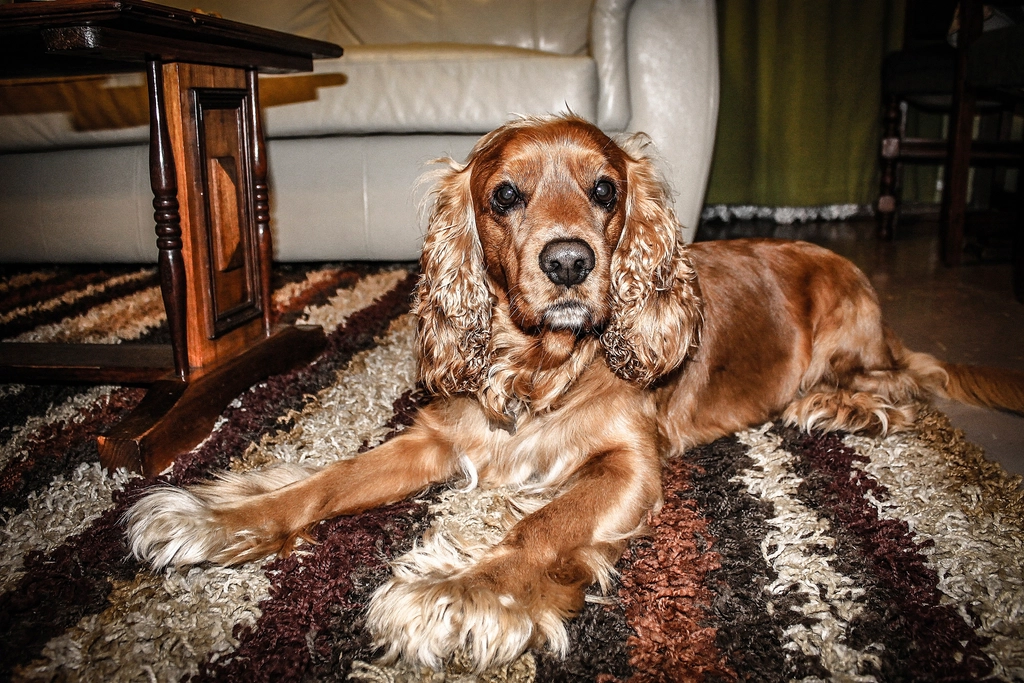
You stop noticing it. Then a friend sits down, or you come home after a weekend away, and the couch smells like the dog. Or worse, like the cat’s worst moment. Fabric sprays cover it for an evening and the smell is back by morning. If you want to know how to get pet smell out of a couch, the first job is not cleaning at all. It is working out where on the couch the odor actually lives, because a sofa has layers, and a spray only reaches the top one.
Apex is a pet-heavy town, and the couch is where most dogs and cats end up once everyone else goes to bed. This guide explains why couches hold pet odor so stubbornly, how to find the source, how to deal with everyday dog smell and dander, what to do about urine in the cushions, and the honest limit of what a surface clean can reach. Humid Triangle summers make every one of these smells stronger, so it pays to get to the source rather than cover it.
Why Does a Couch Hold Pet Smell So Stubbornly?
A couch holds pet smell because odor gets into three places at once: the fabric, the foam, and the frame. Each one needs a different approach, and most home efforts only reach the first.
| Source of the smell | Where it lives | Can a surface clean reach it? |
|---|---|---|
| Skin oils and body odor | Fabric surface, arms, the dog’s favorite corner | Yes, with repeated cleaning |
| Dander and hair | Woven into the fabric, packed into seams and the deck | Mostly, with thorough vacuuming |
| Drool and muddy paws | Fabric surface, cushion fronts | Yes |
| Urine | Through the fabric into the cushion foam, sometimes the deck and frame | Rarely |
| Old food, treats, chews | Under cushions, down the back seam | Yes, once you find them |
Dog odor that has nothing to do with accidents comes mostly from skin oils. A dog that sleeps on the same cushion every night leaves oil in the fabric the same way people leave it on the arms, and that oil holds smell. Urine is different: it runs straight through the cover into the foam, and foam is built like a sponge. The difference between those two is what decides whether you can fix the smell at home.
Find the Source Before You Clean
Spend ten minutes finding the source first. It saves you cleaning the wrong thing.
- Pull every cushion off and smell each one, top, bottom and sides. Then smell the deck, the arms and the back.
- Check the seams and the back gap. Lost treats, chews and hair mats down the back seam can smell as bad as the fabric.
- Use a UV flashlight after dark. Dried urine glows under UV light, which shows whether you are dealing with an accident or just a well-loved dog corner.
- Look inside a cushion. Unzip one cover a little and look at the foam and its wrap for yellow staining or a strong smell. Looking is fine. Washing the covers is not; La-Z-Boy’s fabric care guidance says cushion covers “should not be removed and laundered.”
- Read the cleaning code on the tag. Every wet method below works only on fabrics coded W or WS. The upholstery cleaning codes guide explains what S and X fabrics allow.
Pro tip: Smell the cushion again the next humid day. An odor that gets noticeably stronger when the air is muggy is almost always urine in the foam, because moisture reactivates dried urine salts. A smell that stays about the same is usually skin oil and dander in the fabric.
How to Get Dog Smell Out of a Couch
When the smell is the dog rather than an accident, a thorough surface routine usually fixes it.
- Get the hair out first. Drag a damp rubber glove or a pet-hair brush across the fabric, then vacuum with the upholstery tool. Hair holds dander and oil, and wet cleaning over hair just makes mud.
- Vacuum the deck and seams. Pull the cushions and vacuum the platform, crevices and underneath.
- Freshen with baking soda (W and WS fabrics). Sprinkle it lightly over the dry fabric, leave it for a few hours, and vacuum it out completely. It absorbs some odor from the surface; it does not clean oil.
- Clean the fabric with a water-based upholstery shampoo, used sparingly on a cloth, working whole panels and paying most attention to the dog’s usual spot. Rinse with a nearly dry cloth and dry fast with a fan.
- Wash what can be washed. Throw blankets, pet beds and removable pillow inserts that are labeled washable go in the machine. The couch’s own cushion covers do not.
The step-by-step cleaning method, including drying and the mistakes to avoid, is covered in how to clean a fabric couch. This guide sticks to the smell.
How Do You Get Urine Smell Out of Couch Cushions?
For a fresh accident, blot fast and use an enzyme cleaner; for an old one in the foam, home methods rarely reach it. The honest answer depends on how much urine got in and how long ago.
Fresh accident (W or WS fabric):
- Blot immediately with thick white towels, pressing hard. Keep switching to dry towels until almost nothing comes up.
- Apply an enzyme cleaner made for pet urine. Enzymes break down the compounds that cause the smell rather than covering them. Use enough to reach as deep as the urine went, which on a couch may mean the top of the foam.
- Leave it for the full time on the label.
- Blot again, then dry aggressively: cushion on its edge, fan pointed at it, air conditioning or dehumidifier on.
Old or repeated accidents: once urine has soaked through the cover and dried in the foam, a surface clean cannot flush it out, and adding enough enzyme to reach it can leave the cushion wet at the core for a long time in a humid house. The same problem shows up in mattresses; how to get urine out of a mattress explains why foam is so hard to clean. Common options are professional treatment that reaches into the cushion, or having an upholsterer replace the foam core and keep the original cover.
Enzyme cleaners are water-based. On an S or X fabric you cannot use them, and a urine accident on those fabrics is a professional job from the start.
Why Fabric Sprays Do Not Fix Pet Odor
Fabric fresheners and scented sprays add fragrance on top of the smell. For a few hours the room seems fine, then the fragrance fades and the source is still there. Some leave a residue that makes fabric feel sticky and attract soil. The same trap applies to carpet, as the guide to getting pet urine smell out of carpet explains; the difference with a couch is that the cushion foam is thicker than carpet padding and harder to reach.
Masking also hides the one piece of information you need: whether the smell is coming from the surface or from inside a cushion.
When Is a Surface Clean Not Enough?
A surface clean is not enough when the smell comes back on humid days, when the UV light shows urine on the cushions, or when the fabric is coded S or X. Other signs: yellow staining on the foam or its wrap, a smell coming from the deck or frame rather than the cushions, or repeated accidents in the same spot.
At that point the options are professional cleaning that treats the cushion and not just the cover, or replacing foam. Upholstery cleaning handles the fabric, oil and dander side, and pet stain and odor removal covers enzyme treatment for urine. Some saturated cushions cannot be fully recovered, and it is better to know that before paying for a clean.
Frequently Asked Questions
Will baking soda get dog smell out of a couch?
It helps with light surface odor on W and WS fabrics, but it does not remove the skin oil that holds most dog smell, and it does nothing for urine in the foam. Vacuum it out completely afterward. For a lasting fix, the fabric itself needs cleaning.
Can I use vinegar on a couch that smells like pets?
On a W or WS fabric, a diluted white vinegar solution can help neutralize light odor, and its own smell fades as it dries. Test a hidden spot first, use it sparingly on a cloth, and do not use it on S or X fabrics. It is not a substitute for an enzyme cleaner on urine.
Why does my couch smell worse in summer?
Humidity reactivates dried urine and makes skin oils and dander smell stronger. Apex summers are long and humid, so an odor that was faint in January can be obvious by July. Running the air conditioning or a dehumidifier helps, but a smell that returns every humid spell usually has a source inside a cushion.
Can pet smell be removed from an S-code couch?
Surface odor on an S fabric can be improved with thorough vacuuming and solvent-based cleaning, but water-based enzyme cleaners are off limits. Urine on an S-code couch in a Fuquay-Varina or Holly Springs home is a job to hand over rather than attempt. You can request a free quote with a photo of the tag and the affected area.
Is it better to replace the cushion foam?
When urine has soaked deep into the foam, replacing the foam core is often the most reliable fix, and an upholsterer can usually keep your original covers. If the accidents are recent and limited, professional enzyme treatment is worth trying first.
How do I keep the couch from smelling again?
Put a washable throw on the dog’s favorite spot and wash it often, vacuum the couch when you vacuum the floor, and deal with any accident immediately with an enzyme cleaner. Keeping indoor humidity in check through the summer helps too.
How to Get Pet Smell Out of a Couch for Good
The method for how to get pet smell out of a couch starts with finding where the smell lives. Dog odor and dander in the fabric respond to hair removal, vacuuming and careful cleaning. Urine in the cushion foam usually does not, and that is when professional treatment or new foam makes more sense than another bottle of spray.
Upholstery and pet odor treatment are available across Apex, Cary, Holly Springs, Fuquay-Varina and Morrisville, with up-front pricing before any work starts. The Apex carpet cleaning cost guide covers pricing for carpets the same pets use.