How to Get Red Wine Out of Carpet
Carpet Cleaning Apex • September 26, 2026 • 8 min read
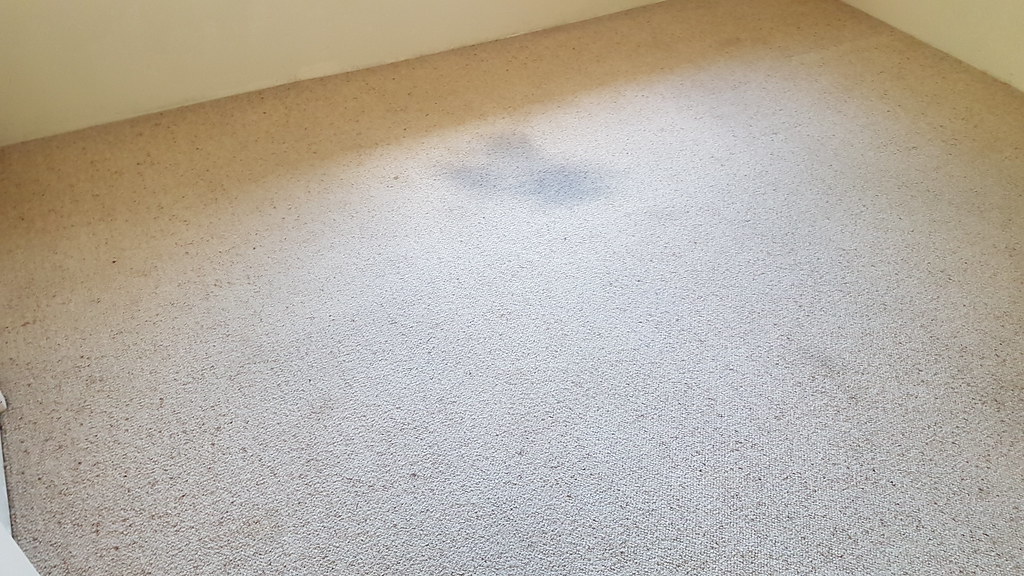
Someone gestured mid-story at the dinner table, the glass went over, and a purple splash is spreading across the beige carpet. Every guest has a tip: salt, club soda, white wine, a splash of vinegar. Some of those help a little. None of them is the whole answer. If you want to know how to get red wine out of carpet, the first thing to understand is that red wine is not dirt. It is a dye, and it needs to be treated like one.
This guide gives you the order that works, based on the Carpet and Rug Institute’s published steps for wine, then explains why the party tricks only half-work, why bleach and peroxide are a bad gamble on colored carpet, and what changes when the spill lands on a wool rug. The same steps apply whether you are hosting in a Pemberley dining room or a Villages of Apex townhome.
Why Is Red Wine So Hard to Get Out of Carpet?
Red wine is hard to remove because its color comes from anthocyanins, the pigments in grape skins, along with tannins that help that color bind. Together they behave like a fabric dye. Nylon, the most common fiber in wall-to-wall carpet, is made to accept acid dyes, and red wine is acidic, so the fiber takes up the color readily.
Time matters more with wine than with most spills. While the wine is wet, most of the pigment is still in the liquid and can be blotted out. As it dries, more of it moves into the fiber itself. That is why the CRI Spot Solver page for wine opens with “Act Quickly! Delaying may cause the spill to become a permanent stain.”
A spill on a dry, low-humidity winter evening can dry within an hour. On a humid summer night in Apex it stays wet longer, which gives you more time, but it also spreads further into the pad if you pour on liquid.
How to Get Red Wine Out of Carpet, Step by Step
The fastest reliable method is to blot out as much wine as you can, then work through a mild detergent, a vinegar solution and, only if needed, a weak ammonia solution, rinsing at the end. These are the CRI steps, in order.
- Blot with white towels. Use a dry, white absorbent cloth or white paper towels. Press, lift, move to a clean section, press again. Do not rub.
- Pretest your solution. CRI says to pretest any spot solution “for color transfer to the cloth or damage to the carpet” in an out-of-sight spot.
- Detergent solution. Mix 1/4 teaspoon of liquid dish washing detergent into 1 cup of lukewarm water. CRI warns to “never use a laundry detergent of any type,” because of the optical brighteners in it, and to avoid dishwasher detergent that contains bleach.
- Apply with a cloth, edge to center. Put the solution on a white cloth and work it in gently from the outside of the spill toward the middle so the stain does not grow.
- Vinegar solution. If pink remains, mix 1 cup of white vinegar with 2 cups of water and repeat the same way.
- Ammonia solution, carefully. CRI’s third option is 1 tablespoon of household ammonia per cup of water, with its own warning that “ammonia, if used improperly, can cause a color change.” Skip this step on wool.
- Rinse with cold water and blot dry. CRI’s last step: rinse with cold water and blot “until all moisture is removed.”
Pro tip: Keep a stack of plain white paper towels and a bottle of clear dish soap in the same cabinet as your wine glasses. The first two minutes decide most red wine stains, and nobody wants to be hunting for supplies while it soaks in.
Salt, Club Soda and White Wine: Why They Half-Work
The popular tricks each do one useful thing, which is why they seem to work at a party. None of them removes the pigment on its own.
| Trick | What it actually does | The catch |
|---|---|---|
| Salt | Draws some liquid up out of the pile | Leaves grains and a salty residue that must be vacuumed and rinsed; does nothing to pigment already in the fiber |
| Club soda | Dilutes the wine, like any clean water | It is mostly water; the fizz is not a cleaning agent, and pouring a lot soaks the pad |
| White wine | Dilutes the red | Adds sugar and more liquid, so you have a bigger, sticky spill |
| Vinegar alone | Can shift some of the color | Works best as a step after detergent, then rinsed out |
| Baking soda paste | Absorbs some moisture as it dries | Leaves white powder in the pile that has to be vacuumed and rinsed |
The pattern is the same in every row. Diluting and absorbing buy time, but the pigment that has already moved into the fiber needs a detergent step and a rinse. If you reach for salt or club soda because that is what is on the table, fine, but follow with the CRI steps above and a proper rinse.
Why You Should Not Use Bleach or Peroxide on Colored Carpet
Chlorine bleach and hydrogen peroxide are oxidizers: they remove color by breaking down pigment. The problem is that they cannot tell the wine’s pigment from the carpet’s dye. On anything but white or solution-dyed carpet, a strong oxidizer often leaves a pale or yellow spot in place of a purple one, and a bleached spot is permanent because the dye is gone.
Some store-bought red wine removers contain peroxide or other oxidizers. If you use one, test it in a closet corner first, follow the label exactly, and rinse afterward. Some carpets are solution-dyed, meaning the color is built into the fiber, and those resist bleaching better, but you usually cannot tell by looking. When in doubt, stop at the CRI steps and let a professional decide whether an oxidizing spotter is safe on your fiber.
Red Wine on a Wool Rug
Wool needs a gentler approach than synthetic carpet. It is a protein fiber, and WoolSafe’s guide to cleaning wool carpets explains that high-alkaline products can cause color bleeding with dyed yarns and, in extreme cases, yellowing and weakening of the fiber. For red and rosé wine on wool, its spot chart calls for blotting, a WoolSafe Approved spot remover applied to a white cloth, a clean-water blot to remove residue, and careful drying, and it warns: “do not over wet.”
So on a wool rug: blot hard, skip ammonia and anything bleaching, use very little liquid, and dry it flat with airflow. Many handmade rugs also have dyes that can run, which is a separate risk from the wine. Our guide on how to clean a wool rug covers routine care, and a good rug with a set wine stain is worth sending to professional area rug cleaning.
When to Call a Professional for a Red Wine Stain
Call a professional when a pink or purple shadow survives the full CRI sequence, when the spill was a whole glass or more, or when it landed on wool, silk or a light solid-color carpet. A professional can use a dye-specific spotter chosen for your fiber, control heat and dwell time, and extract the rinse water so the color does not wick back up. Professional carpet cleaning also treats the surrounding area evenly, so you do not end up with one extra-clean circle.
For what a spot treatment or room clean costs, see the Apex carpet cleaning cost guide.
Frequently Asked Questions
Can red wine be completely removed from carpet?
Yes, fresh red wine can usually be removed completely if you blot right away and follow the detergent, vinegar and rinse steps. Older stains often lighten a lot but may leave a faint pink shadow. That shadow is dye in the fiber and needs a professional spotter chosen for your carpet type.
Does club soda get red wine out of carpet?
Club soda helps only because it is mostly water, so it dilutes the wine. The bubbles do not lift the stain. Use a small amount, blot it back out, and follow with the CRI dish soap and vinegar steps.
Should I put salt on a red wine stain?
Salt can absorb some liquid, but it does nothing to the pigment already in the fiber. If you use it, vacuum it up once dry and then follow the detergent steps and a cold-water rinse so no residue stays behind.
Is hydrogen peroxide safe for red wine on carpet?
Not on most colored carpet, because peroxide can lighten the carpet’s own dye along with the wine. Test any peroxide-based remover in a hidden spot first and rinse afterward. On white carpet the risk is lower, but a test is still worth the two minutes.
What if the red wine stain is old?
Soften it with a light mist of water, then work through the CRI steps two or three times, letting each round dry before you judge it. If the color does not move after that, it has bonded to the fiber. You can request a free quote and describe the spot, including how long it has been there.
Is red wine different from a coffee stain?
Yes: red wine is mainly a dye problem, while coffee is a tannin stain that often carries cream and sugar residue. The early steps are similar, but the risks differ. Our guide on how to get coffee out of carpet covers the residue side.
Getting Red Wine Out of Carpet in Apex
To get red wine out of carpet, move fast, blot instead of rubbing, work a mild detergent and then vinegar from the edges in, keep bleach and peroxide away from colored fiber, and rinse at the end. Wool rugs need even less liquid and no ammonia.
If a stain has outlasted your best effort, Carpet Cleaning Apex offers stain treatment, carpet cleaning and rug cleaning across Apex, Cary, Holly Springs, Fuquay-Varina and Morrisville, with up-front pricing. Request a free quote or see the Apex carpet cleaning pricing guide first.